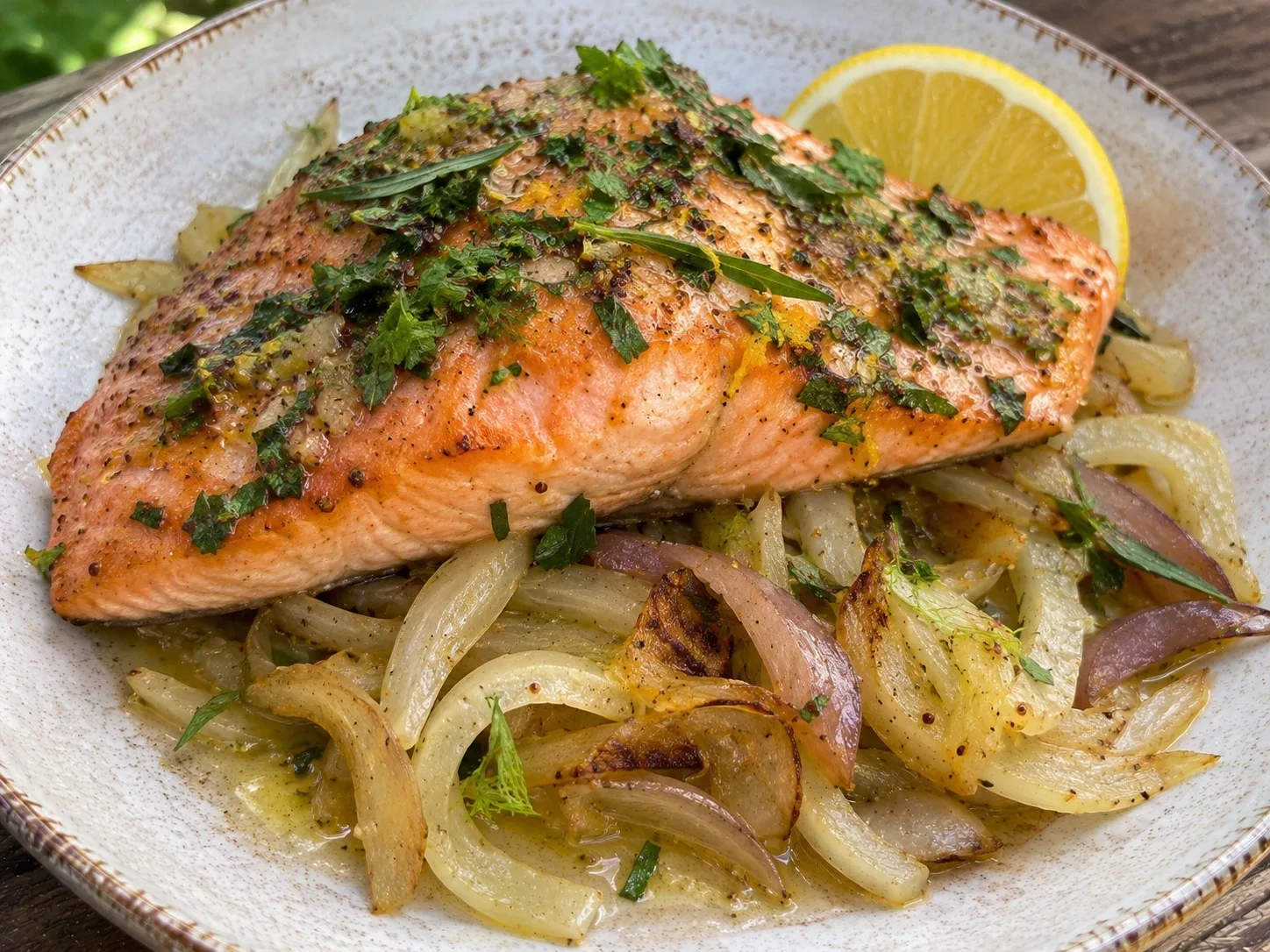
Baked Wild Salmon with Parsley, Tarragon, and Dijon-Lemon Vinaigrette over Sautéed Fennel and Onions
Wild salmon baked under fresh parsley, tarragon, and lemon zest, set over silky sautéed fennel and sweet onions and finished with a bright extra virgin olive oil, Dijon, and lemon vinaigrette. A light, elegant main for a spring holiday table.
Yield: Serves 4 · Active: 25 min · Total: 40 min · Season: Best in North America in spring, when fennel, sweet onions, and fresh tarragon are at their peak · Best eaten: midday or early evening
Ingredients
For the Dijon-lemon vinaigrette
- 1 small shallot, finely minced (about 2 tbsp)
- 2 tbsp fresh lemon juice, plus 1 tsp finely grated lemon zest
- 1 tbsp Dijon mustard
- ¼ tsp sea salt
- ⅓ cup extra virgin olive oil
- 2 tbsp finely chopped flat-leaf parsley
- 1 tbsp finely chopped fresh tarragon
- Freshly ground black pepper
For the sautéed fennel and onions
- 2 large fennel bulbs (about 2 lb), fronds reserved
- 1 large sweet onion (Vidalia or Walla Walla), halved and thinly sliced
- 3 tbsp extra virgin olive oil
- 2 garlic cloves, thinly sliced
- ½ tsp sea salt
- 1 tbsp fresh lemon juice
For the salmon
- 4 wild salmon fillets (about 6 oz each, 1½ lb total), skin on or off
- 1 tbsp extra virgin olive oil
- 2 tbsp finely chopped flat-leaf parsley
- 1 tbsp finely chopped fresh tarragon
- Zest of 1 lemon, plus lemon wedges for serving
- ¾ tsp sea salt
- ¼ tsp freshly ground black pepper
- Flaky sea salt, for finishing
Method
Make the vinaigrette
- Soften the shallot. In a small bowl or jar, combine the shallot, lemon juice, lemon zest, Dijon, and salt. Let it sit 5 minutes to mellow the shallot.
- Whisk. Slowly whisk in the olive oil until thick and emulsified (or shake it in the jar). Stir in the parsley and tarragon and season with pepper. Set aside.
Sauté the fennel and onions
- Slice the fennel. Trim the stalks from the fennel, saving a handful of the feathery fronds. Halve the bulbs, cut out the tough core, and slice ¼ inch thick.
- Sauté. Heat the olive oil in a large skillet over medium heat. Add the fennel, onion, and salt and cook 15–18 minutes, stirring every few minutes, until soft, sweet, and golden at the edges. Add the garlic for the last 2 minutes. If anything starts to brown too fast, lower the heat and add a splash of water.
- Finish. Stir in the lemon juice, taste for salt, and keep warm over the lowest heat.
Bake the salmon
- Heat the oven. While the fennel cooks, heat the oven to 400°F and line a sheet pan with parchment.
- Season. Pat the salmon dry and set it on the pan, skin side down if it has skin. Stir the olive oil with the parsley, tarragon, lemon zest, salt, and pepper, and spread it over the tops of the fillets.
- Bake. Bake 10–12 minutes, until the salmon flakes at the thickest point but is still slightly translucent in the very center, about 125°F on an instant-read thermometer. Wild salmon is lean and dries out fast, so start checking at 9 minutes.
- Rest. Let it rest 2–3 minutes; it finishes cooking from its own heat.
To serve
- Plate. Spoon a bed of fennel and onions onto each plate or a large platter and set the salmon on top. Give the vinaigrette a stir and spoon it generously over the salmon and fennel. Finish with chopped fennel fronds, flaky salt, and lemon wedges.
Storage
- Salmon and fennel keep in separate covered glass containers in the fridge for up to 3 days. Leftover salmon is lovely cold, flaked over greens with the vinaigrette.
- Rewarm the fennel in a skillet over medium-low heat, and warm the salmon gently in a 275°F oven so it doesn’t dry out.
- The vinaigrette keeps up to 4 days in the fridge; the herbs darken a little over time. Let it come to room temperature and shake before using.
Variations
- With white wine: Add ¼ cup dry white wine to the fennel for the last 3 minutes and let it cook off. For an alcohol-free version, use ¼ cup chicken or fish bone broth with an extra squeeze of lemon.
- Dill instead of tarragon: Swap the tarragon for fresh dill in both the salmon and the vinaigrette for a milder, more classic flavor.
- Add spring vegetables: Toss trimmed asparagus or sugar snap peas into the skillet for the last 4–5 minutes.
- Buttery fennel: Sauté the fennel in grass-fed ghee instead of olive oil for a richer side (it’s no longer dairy-free).
- Whole side of salmon: For a holiday crowd, bake a 2½–3 lb side of wild salmon with double the herb rub at 400°F for 15–20 minutes, and double the fennel and vinaigrette.
- More salmon: For a cozy fall and winter plate, see my Baked Wild Salmon with Rosemary and Thyme, Whipped Cauliflower Purée, and Roasted Rainbow Carrots, and for another fennel pairing, my Orange-Glazed Wild Salmon with Braised Fennel.
Season & Circadian Timing
Fennel is a cool-weather crop that comes into its sweetest, most tender stage in spring, right alongside the first sweet onions and fresh tarragon, and wild salmon season begins in late spring. This is a light, protein-rich plate that suits a holiday brunch or midday meal, and it’s just as good as an early-evening dinner while there’s still daylight.
Nourishment Notes
- Wild salmon — Rich in the omega-3 fats EPA and DHA, high-quality protein, selenium, and vitamin D. Its deep color comes from astaxanthin, a pigment the fish gets from its natural diet.
- Fennel — Brings fiber, potassium, and vitamin C, and fennel has traditionally been used to support digestion after a meal.
- Onions and garlic — Contain sulfur compounds and prebiotic fibers that feed beneficial gut bacteria.
- Extra virgin olive oil — Monounsaturated fats and polyphenols, and it helps you absorb fat-soluble nutrients from the vegetables and herbs.
- Parsley and tarragon — Parsley is rich in vitamin K and vitamin C, and tarragon brings a gentle anise note that echoes the fennel.
Sourcing
- Wild salmon — wild-caught Alaskan
- Extra virgin olive oil — organic, single-estate, harvest-dated, in dark glass
- Dijon mustard — organic, with no preservatives or sugar (Delouis Fils or Maison Orphée)
- Lemons / limes / oranges — organic (you’re using the zest)
- Salt — unrefined sea salt (Baja Gold); flaky sea salt for finishing (Maldon)
- Fruits, vegetables, and herbs — organic, from a farmers’ market or local farm
With Love, Light, and Health,
Anna (aka Food Marshall)
Food Marshall Approved. Grain-free, seed-oil-free and refined-sugar-free, made from organic, local and seasonal ingredients. Our standards
More Seafood
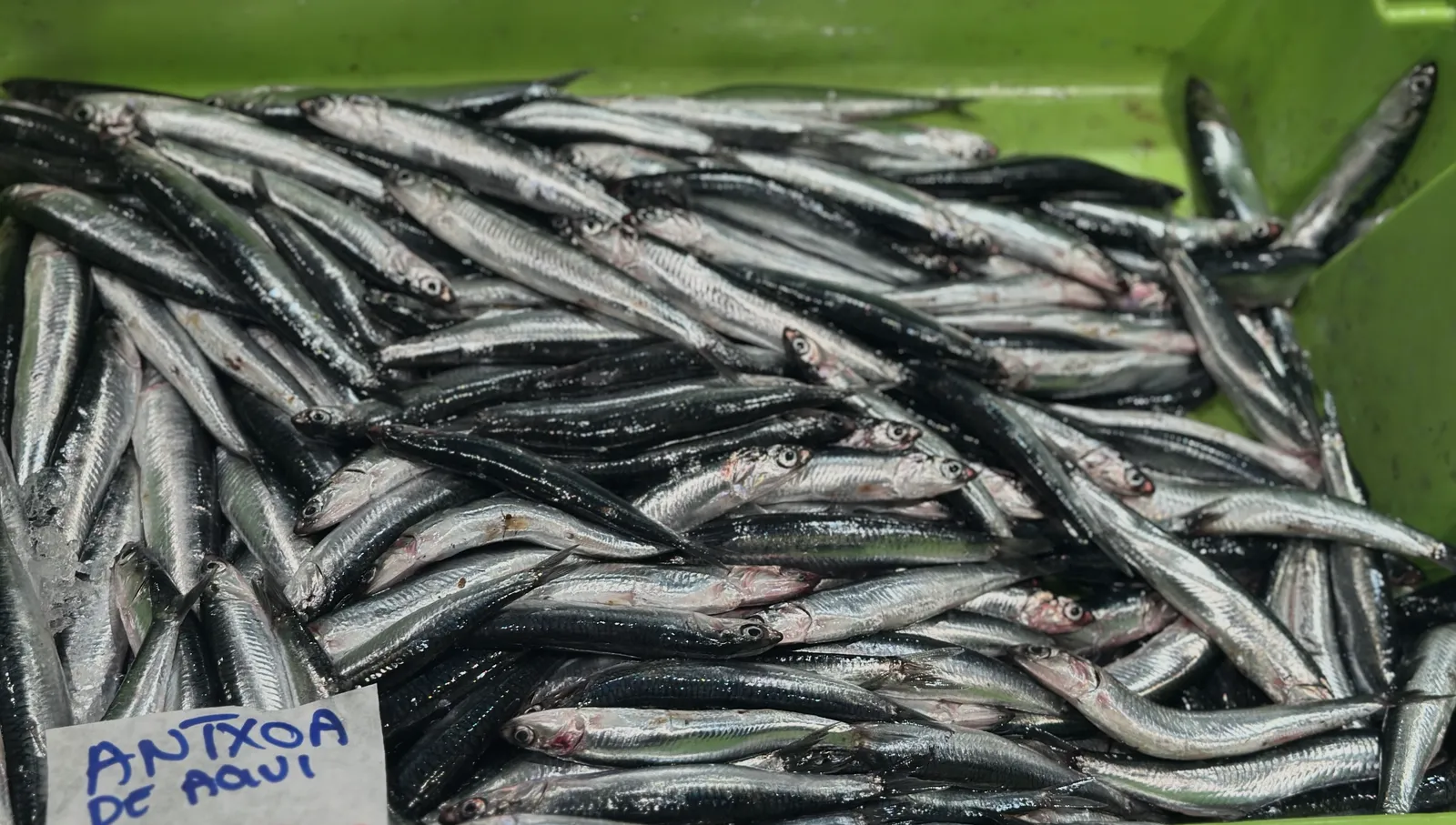
The World's Best Anchovies & Ways to Cook and Eat Them
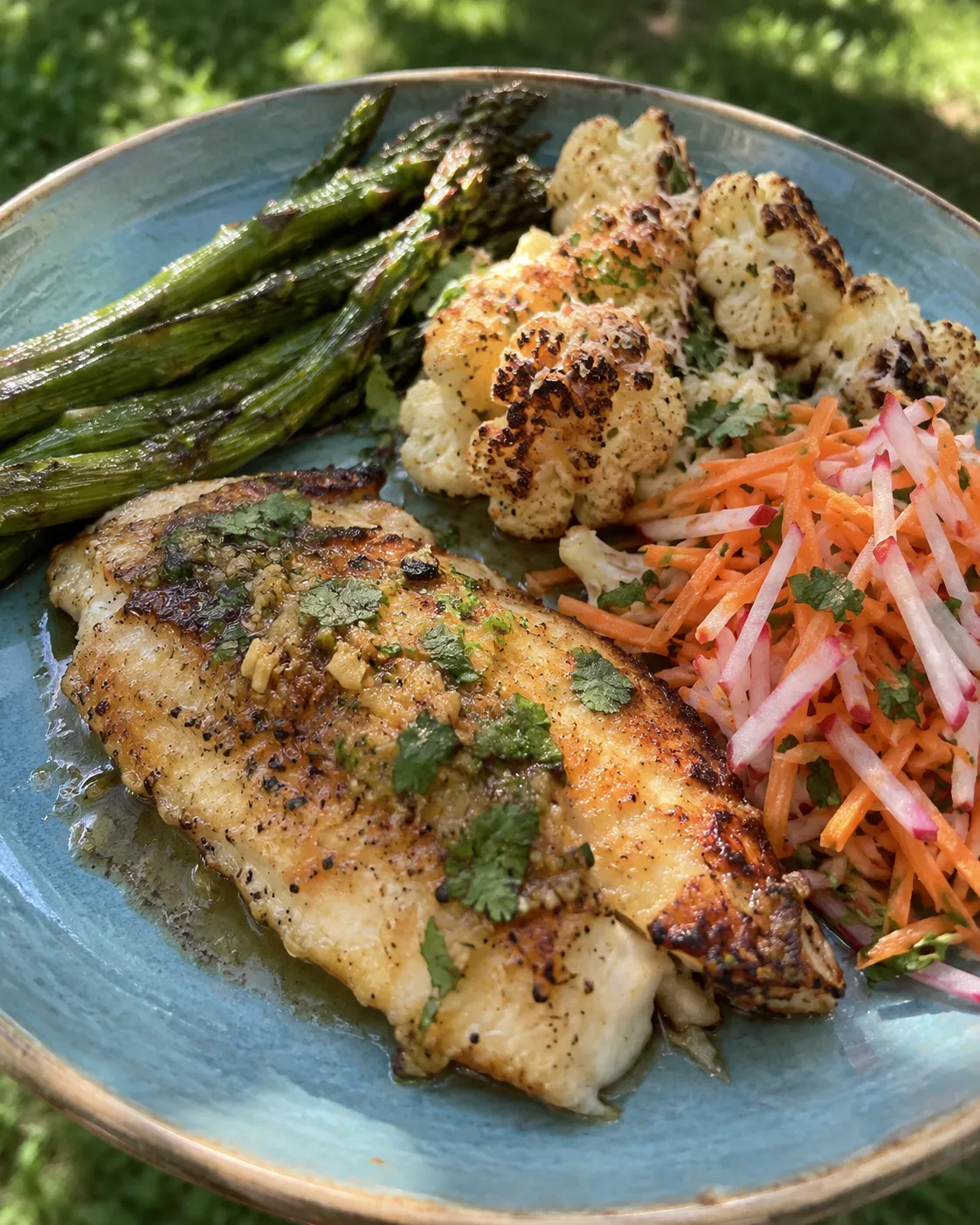
Ginger Snapper with Grilled Asparagus, Coconut-Lime Roasted Cauliflower, and Carrot-Radish Slaw
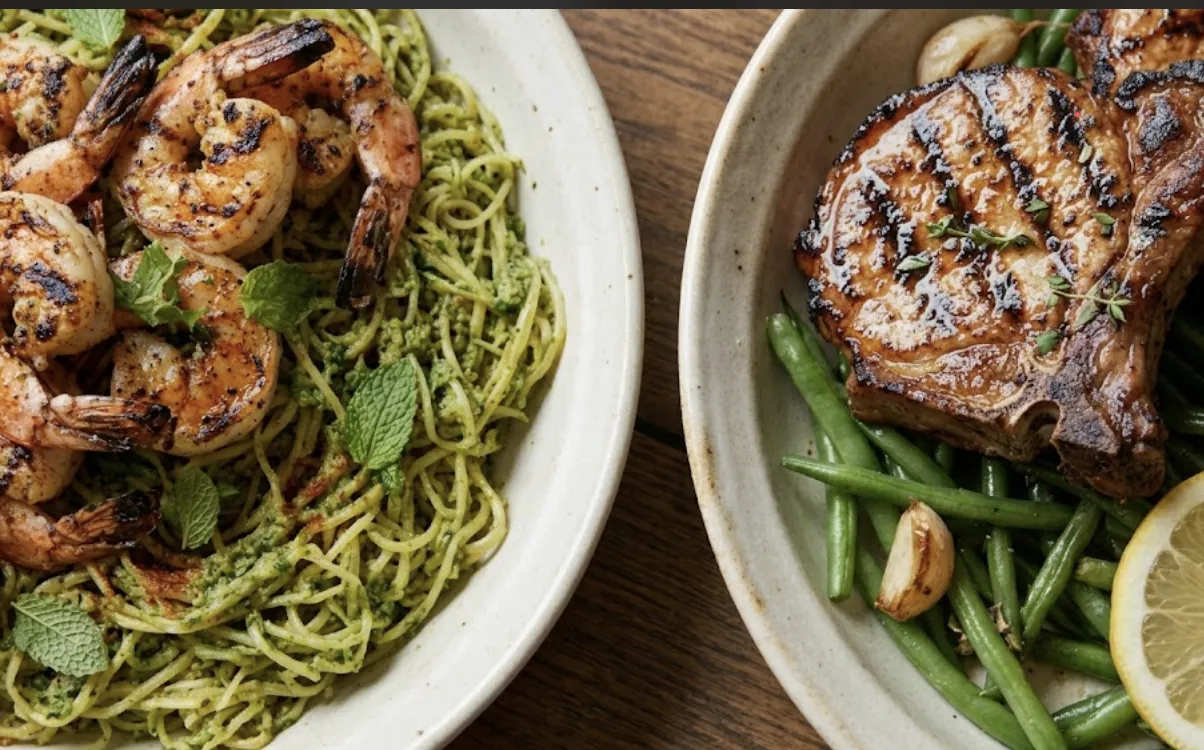
Green Harissa Surf & Turf: Spaghetti Squash with Green Harissa, Grilled Shrimp, and Pork Chops
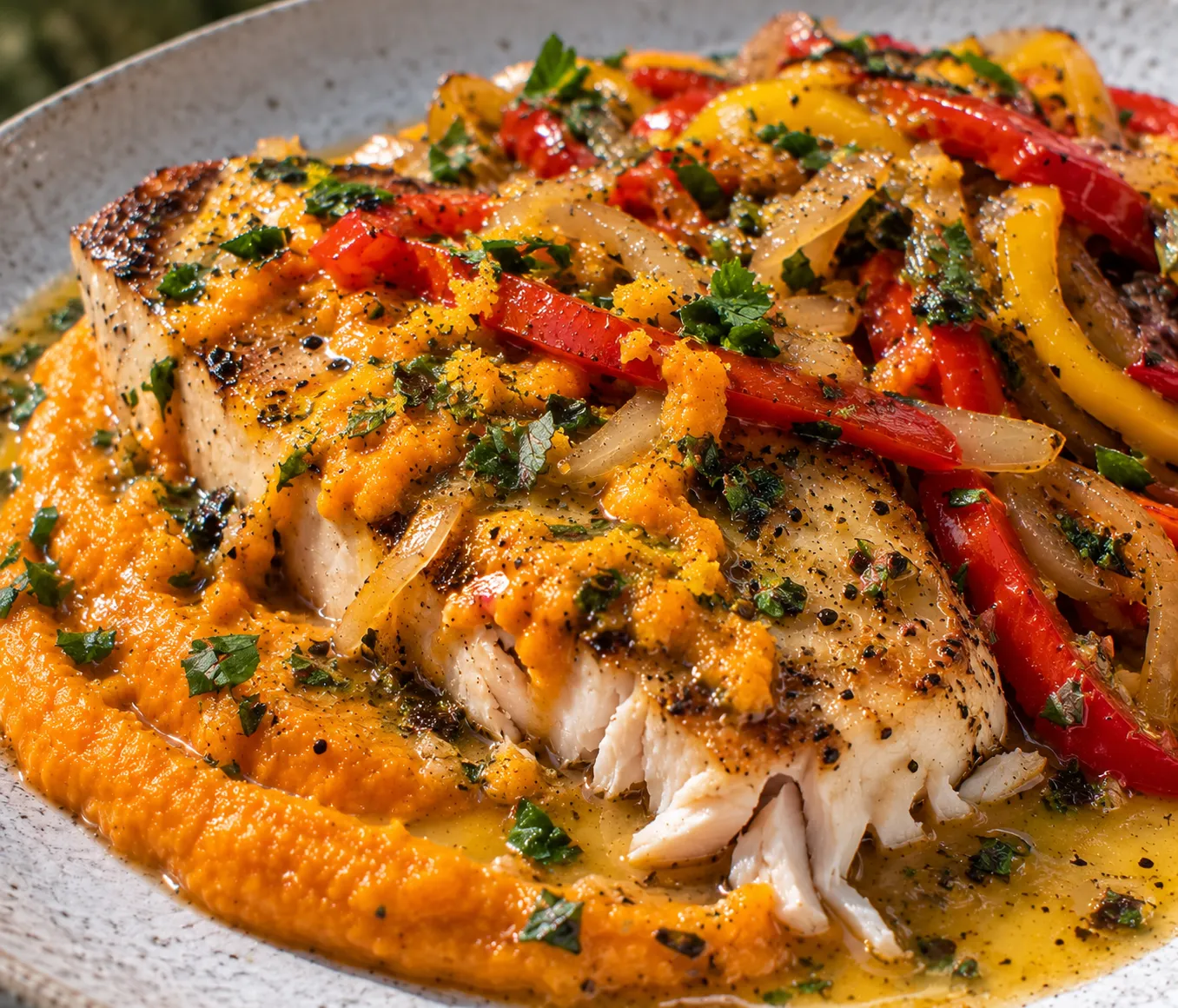
Grilled Swordfish with Carrot-Ginger Purée, Sautéed Peppers, and Citrus Reduction
Get new recipes and essays
Seasonal recipes and writing on light, circadian health, and living with nature.
Subscribe on Substack