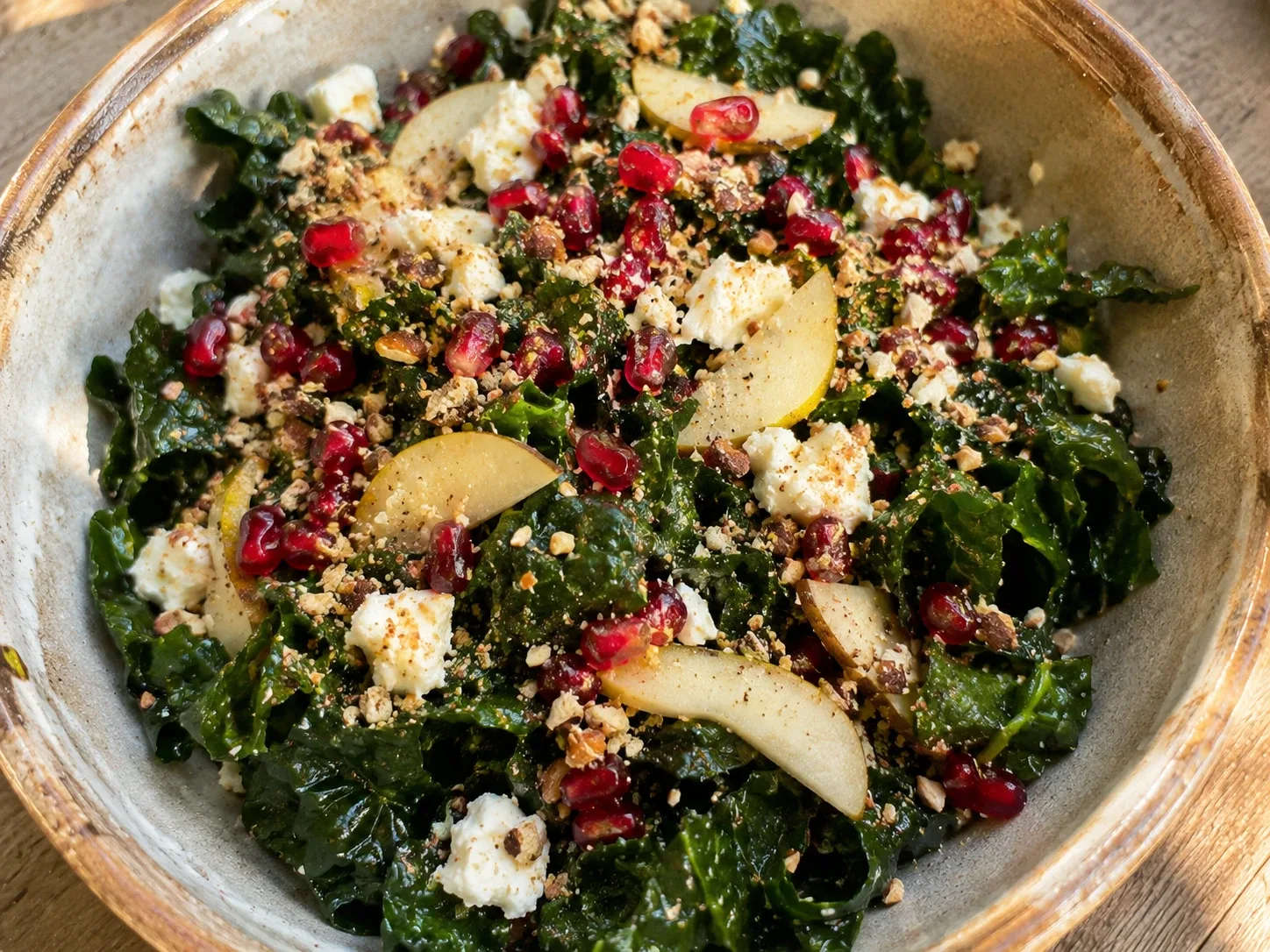
Harvest Shredded Kale Salad with Nut Dukkah, Goat Cheese, Pear, and Pomegranate
Silky ribbons of lacinato kale tossed with ripe pear, jewel-bright pomegranate, creamy chèvre, and a crunchy homemade nut dukkah. This is my dinner-party salad, and it earns a spot on every Thanksgiving table.
Yield: Serves 6 as a side (about 1 cup extra dukkah) · Active: 30 min · Total: 40 min · Season: Best in North America in fall and winter, when kale, pears, and pomegranates are at their peak · Best eaten: early evening
Ingredients
For the nut dukkah
- ¼ cup raw hazelnuts
- ¼ cup raw almonds
- ¼ cup shelled pistachios
- 3 tbsp sesame seeds
- 1 tbsp coriander seeds
- 2 tsp cumin seeds
- ½ tsp sea salt
- ½ tsp freshly ground black pepper
For the maple-Dijon apple cider vinaigrette
- ⅓ cup extra virgin olive oil
- 3 tbsp raw apple cider vinegar
- 1 tbsp maple syrup
- 2 tsp Dijon mustard
- 1 small shallot, finely minced (about 2 tbsp)
- ¼ tsp sea salt
- Freshly ground black pepper, to taste
For the salad
- 2 large bunches lacinato kale (about 1 lb), stems removed
- 1 tbsp fresh lemon juice
- 1 tbsp extra virgin olive oil
- ¼ tsp sea salt
- 2 ripe but firm pears (Bosc, Anjou, or Comice), cored and thinly sliced
- 1 cup pomegranate arils (from about 1 large pomegranate)
- 4 oz fresh goat chèvre, crumbled
Method
For the nut dukkah
- Toast the nuts. Heat the oven to 350°F. Spread the hazelnuts and almonds on a small sheet pan and toast 10–12 minutes, until fragrant and lightly golden inside. Add the pistachios for the last 4 minutes. While the hazelnuts are still warm, rub them in a clean kitchen towel to loosen most of their papery skins (don’t worry about every last bit).
- Toast the seeds. In a dry skillet over medium heat, toast the sesame seeds 2–3 minutes, shaking the pan, until golden. Tip them into a bowl. Add the coriander and cumin seeds to the same pan and toast 1–2 minutes, until they smell warm and start to pop.
- Grind. Let everything cool for 5 minutes. Crush the coriander and cumin in a mortar and pestle or spice grinder. Add the nuts, spices, salt, and pepper to a food processor and pulse 8–10 times, until coarsely chopped and crumbly, with some pea-size pieces left. Stir in the sesame seeds. Dukkah (an Egyptian nut, seed, and spice blend) should be crunchy, not a paste, so stop before it turns oily.
For the vinaigrette
- Shake it up. Add the vinegar, maple, Dijon, shallot, salt, and pepper to a jar and let it sit 5 minutes to mellow the shallot. Add the olive oil, close the lid, and shake until creamy. Taste and adjust.
For the salad
- Shred the kale. Stack several kale leaves, roll them up tightly like a cigar, and slice crosswise into very thin ribbons, about ⅛ inch wide. Thin ribbons are what make this salad feel delicate instead of chewy.
- Massage. Put the kale in a large bowl with the lemon juice, olive oil, and salt. Squeeze and scrunch it with your hands for 1–2 minutes, until it darkens, softens, and shrinks by about a third. Massaging breaks down the tough fibers so the kale turns tender and sweet.
- Dress. Toss the kale with about half the vinaigrette. You can do this up to 2 hours ahead; kale holds up beautifully once dressed.
- Assemble. Just before serving, fold in most of the pear slices and pomegranate arils. Pile onto a platter, then top with the remaining pear and pomegranate, the crumbled chèvre, and ⅓–½ cup dukkah. Drizzle with a little more vinaigrette and pass the rest at the table.
Storage
- Dukkah keeps in an airtight jar at room temperature up to 2 weeks, or in the fridge up to 1 month.
- Vinaigrette keeps in the fridge up to 1 week; shake well before using.
- Dressed kale (without pear, cheese, or dukkah) keeps in the fridge up to 2 days. Add the toppings fresh.
Variations
- Apple instead of pear: Use a crisp, tart apple like Honeycrisp or Pink Lady.
- Honey vinaigrette: Swap the maple syrup for raw honey.
- Different cheese: Try crumbled raw-milk feta, shaved aged raw-milk Gouda, or a dollop of labneh.
- Make it a meal: Top with sliced roast turkey, shredded pasture-raised chicken, or seared lamb.
- Nut-free dukkah: Replace the nuts with ½ cup pumpkin seeds and ¼ cup sunflower seeds, toasted.
- Extra dukkah: Sprinkle leftovers over roasted vegetables, soft-boiled eggs, avocado, or labneh drizzled with olive oil.
Season & Circadian Timing
Kale gets sweeter after the first frost, pears come off the trees in fall, and pomegranates ripen right in time for the holidays, so this salad lines up with the late-year harvest. The pear and pomegranate bring natural sugars that sit well alongside a protein-rich holiday dinner in the early evening, and the raw greens give a heavy feast some brightness.
Nourishment Notes
- Lacinato kale — rich in vitamin K and vitamin C, with carotenoids your body can turn into vitamin A, plus plenty of fiber.
- Pomegranate — the arils offer vitamin C, fiber, and polyphenols, the plant compounds behind their deep red color.
- Pears — a good source of fiber, including pectin, especially when you leave the skin on.
- Hazelnuts, almonds, and pistachios — bring vitamin E, magnesium, and mostly monounsaturated fats, the same kind found in olive oil.
- Goat chèvre — adds protein and fat, and some people find goat’s milk cheese easier on digestion than cow’s.
Sourcing
- Goat cheese (chèvre) — fresh chèvre (Cypress Grove), or a local chèvre near you
- Extra virgin olive oil — organic, single-estate, harvest-dated, in dark glass
- Raw apple cider vinegar — organic, with the mother (Bragg)
- Dijon mustard — organic, with no preservatives or sugar (Delouis Fils or Maison Orphée)
- Maple syrup — organic Grade A dark
- Walnuts / pecans / hazelnuts / macadamias — organic and raw; soak and dry (or sprout) for easier digestion
- Almonds — organic, sprouted, blanched, and skinless
- Pistachios — organic, California or Sicilian Bronte
- Sesame seeds — organic, raw, and unhulled
- Spices — organic and non-irradiated
- Salt — unrefined sea salt (Baja Gold); flaky sea salt for finishing (Maldon)
- Lemons / limes / oranges — organic
- Fruits, vegetables, and herbs — organic, from a farmers’ market or local farm
You might also like: Farm-to-Table Roasted Root Vegetables with Labneh, Dukkah, and Mint Gremolata, Seasonal Mixed Greens with Pear, Fennel, Pomegranate, Herbs, and Lemon-Dijon Vinaigrette, Massaged Kale Tabbouleh with Apples, Almonds, Pomegranate, and Honey-Mustard Vinaigrette
With Love, Light, and Health,
Anna (aka Food Marshall)
Food Marshall Approved. Grain-free, seed-oil-free and refined-sugar-free, made from organic, local and seasonal ingredients. Our standards
More Salads
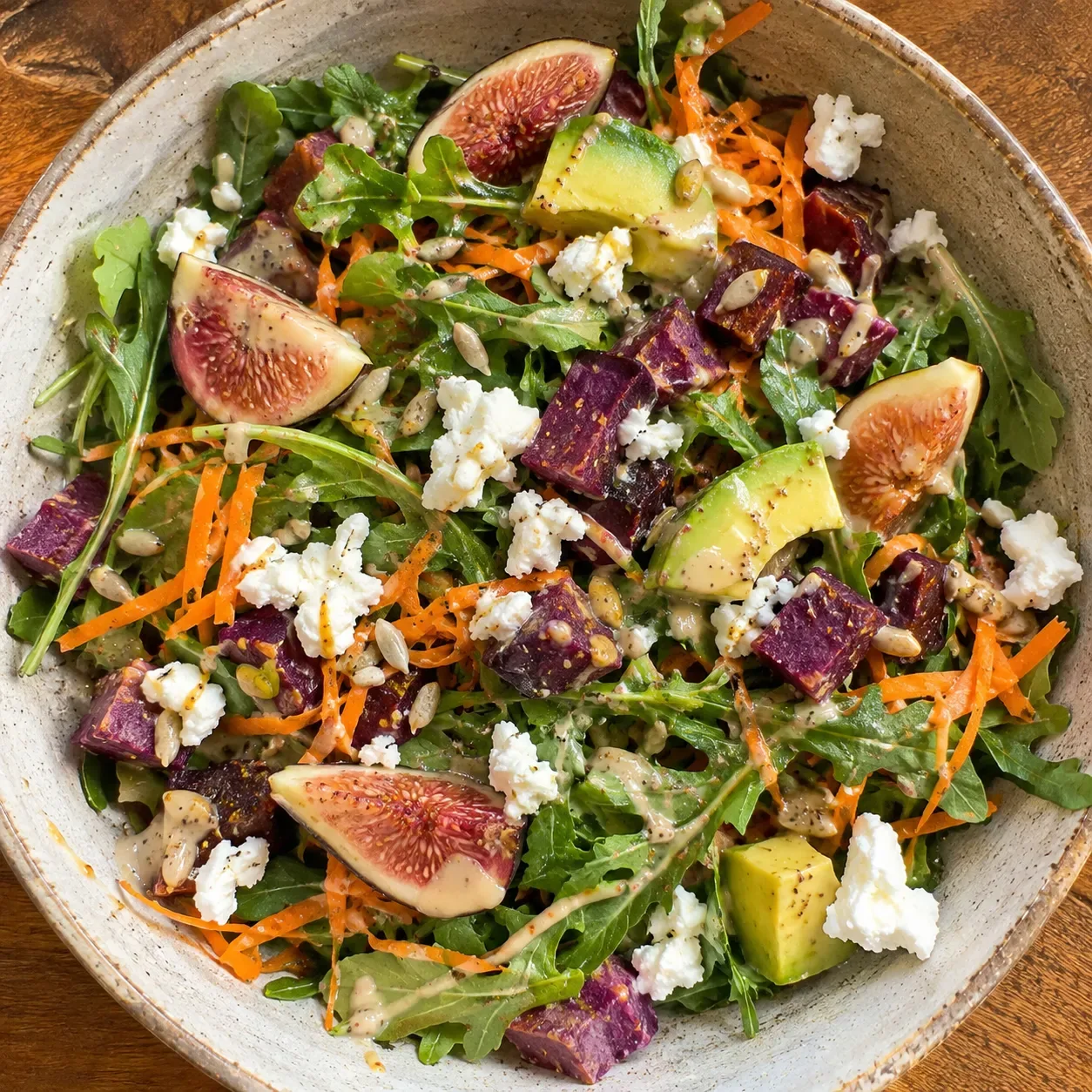
Arugula, Carrot, and Purple Sweet Potato Salad with Avocado, Figs, Goat Cheese, and Tahini-Mustard Vinaigrette
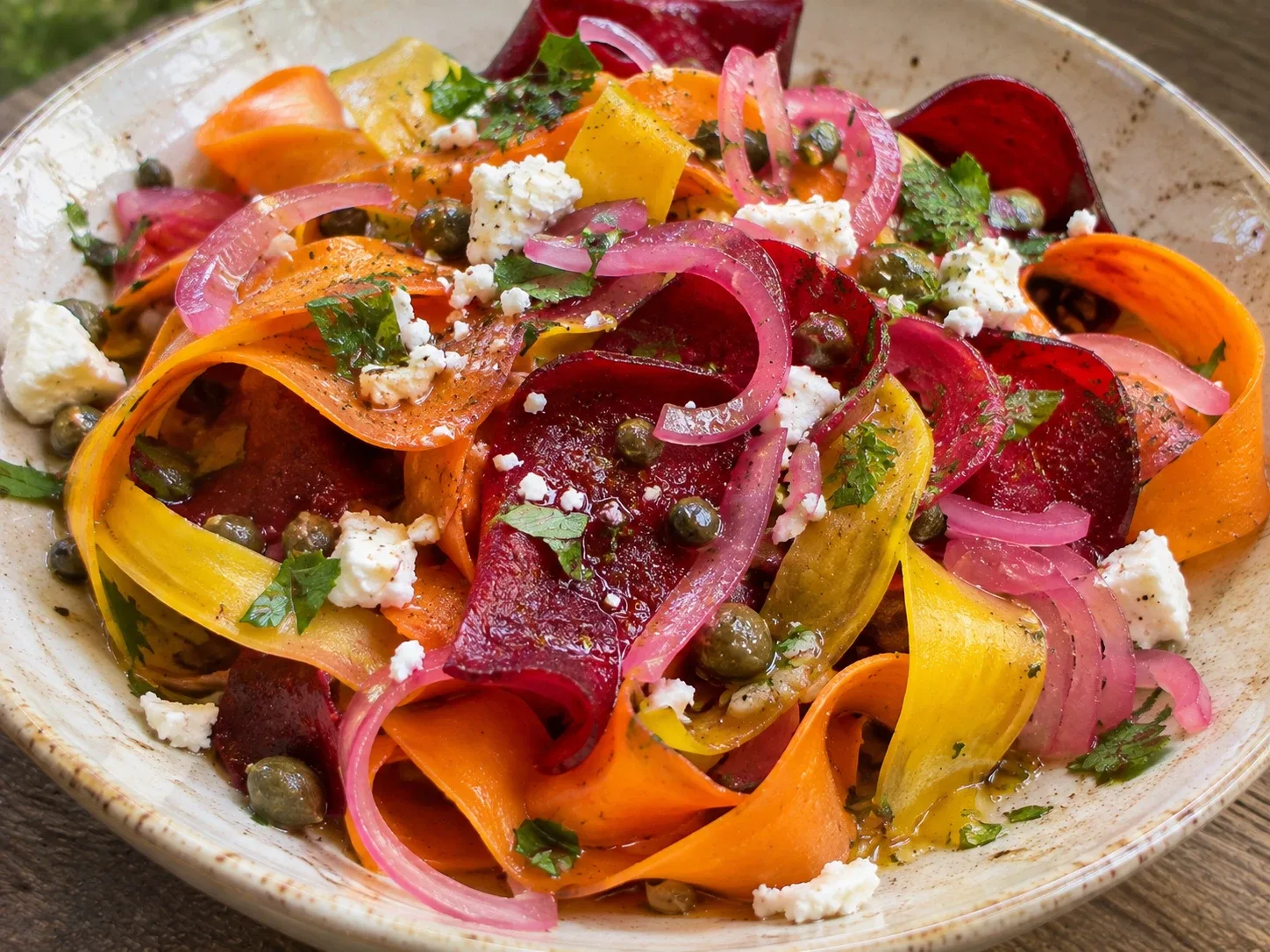
Colorful Beet and Carrot Salad with Pickled Onions and Citrus-Caper Vinaigrette
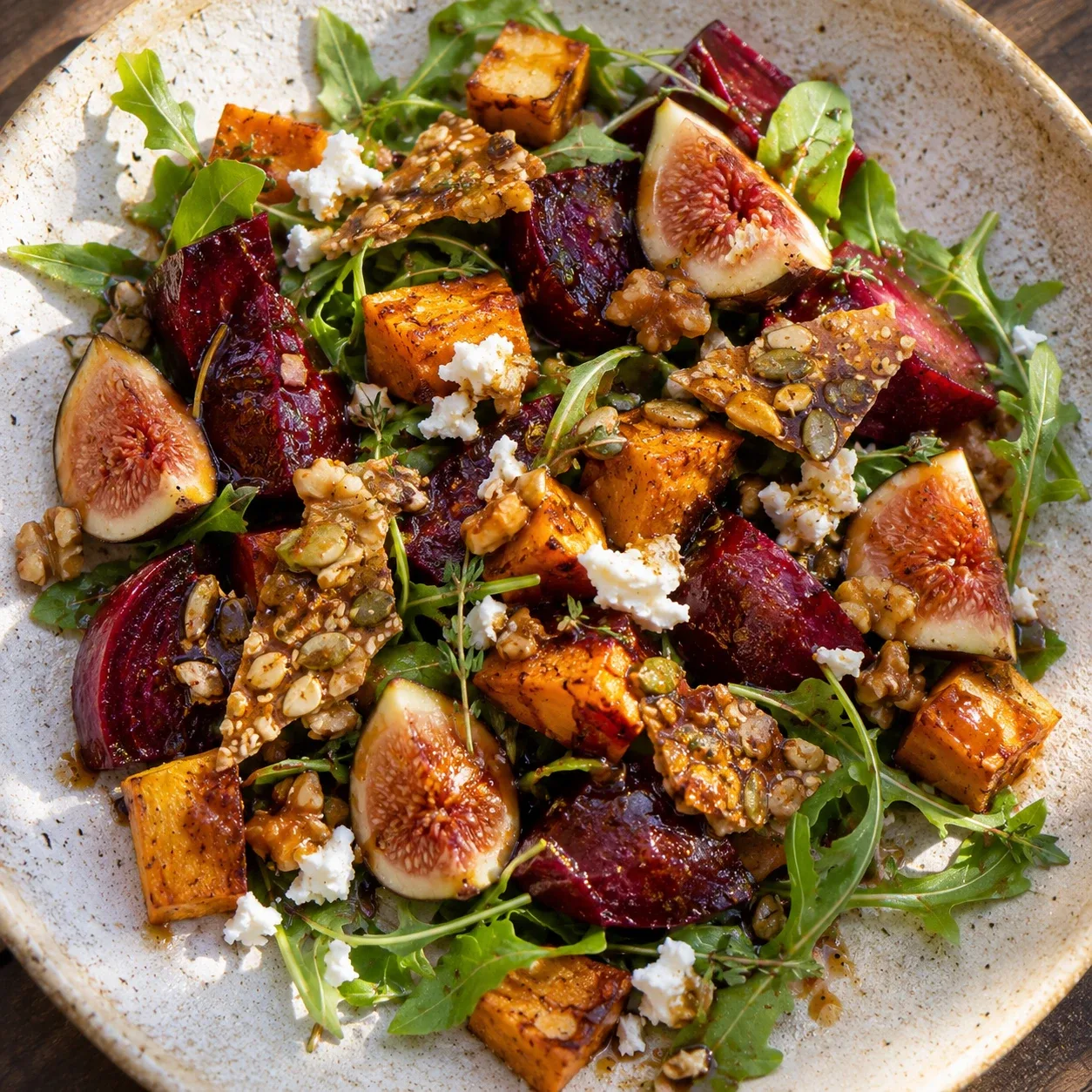
Beet and Fresh Fig Salad with Roasted Sweet Potato, Nut and Seed Brittle, and Fig Balsamic Dressing
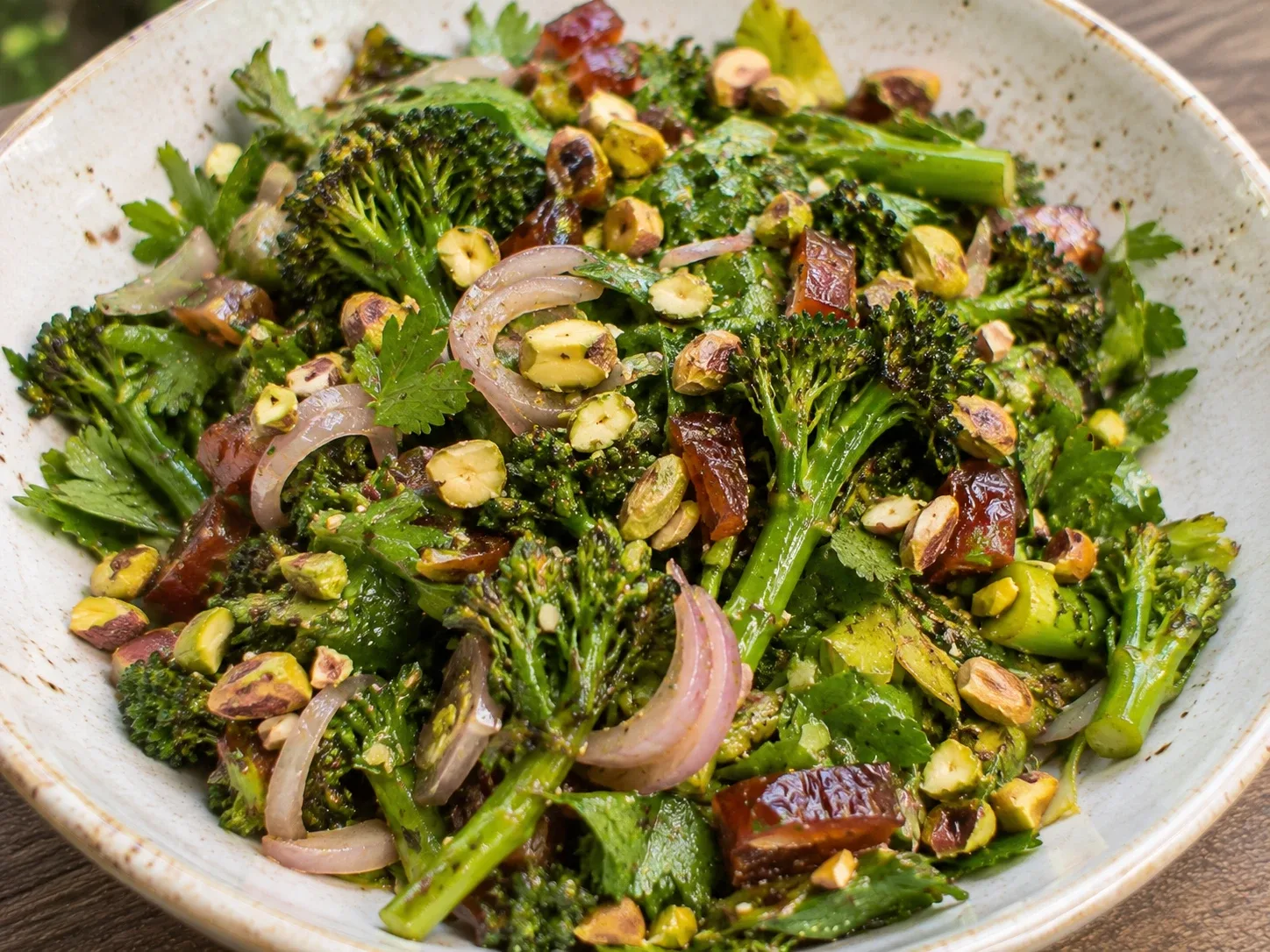
Broccolini and Pistachio Salad with Lemon-Dijon Vinaigrette
Get new recipes and essays
Seasonal recipes and writing on light, circadian health, and living with nature.
Subscribe on Substack