Grain-Free Heritage Apple Pie — (THREE WAYS)
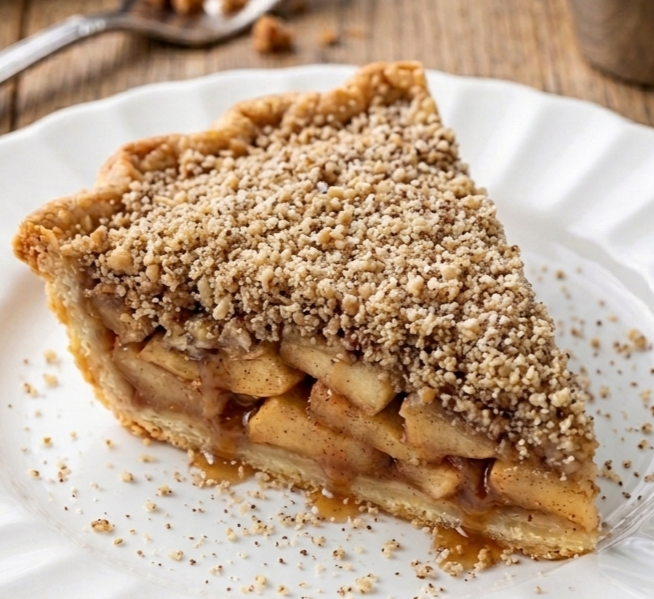
The autumn-classic apple pie rebuilt for real food — Dutch crumb, lattice top, or double-crust traditional. All grain-free, refined-sugar-free, built on heritage-variety apples at peak harvest.
Season: Autumn (peak apple harvest)
Cuisine: American Heritage · Grain-free · Refined-sugar-free
Yield: One 9-inch pie (serves 8) per treatment
Best eaten: Afternoon during apple harvest, with raw cream, vanilla ice cream, or aged cheddar
The apple pie is one of the deepest American culinary traditions — built on a fruit that arrived with the first European settlers, was cultivated into regional heritage varieties across Appalachia, New England, and the Pacific Northwest, and became the defining pastry of an entire continent's autumn. The version below replaces all the usual industrial elements (white wheat flour, refined sugar, vegetable shortening) with grain-free and ancestral counterparts: almond flour, arrowroot or cassava, grass-fed butter, raw honey or maple syrup. The apples remain the apples — and that's the whole point. A pie made with peak-season Honeycrisp, Pink Lady, or Granny Smith apples, picked from a local orchard within the past two weeks, tastes like nothing the supermarket can produce.
This is the consolidated apple-pie post — three distinct treatments built on the same essential structure, each suited to a different occasion:
The Dutch Crumb Pie is the classic European-American farmhouse version: pre-sautéed apples in a pre-baked crust, finished with a buttery almond-flour crumble that bakes to deep golden.
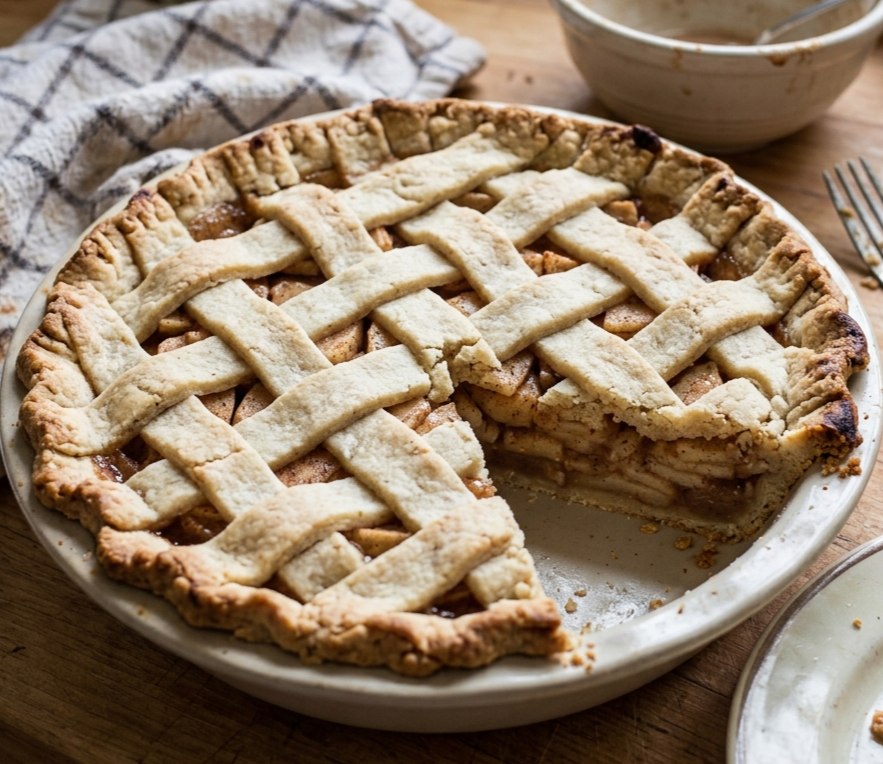
The Lattice Pie is the visual showpiece — woven strips of dough across the top that allow steam to escape, concentrating the filling and producing a less-wet pie.
The Double-Crust Traditional is the deep-Americana version — a fully covered top, brushed with egg wash and sprinkled with coconut sugar, baked until the crust is mahogany-deep and the filling bubbles through the vents.
Choose the version that matches your moment. All three start with the same essential instruction: get the best peak-season apples you can find, preferably from a local orchard, preferably from a heritage variety the supermarket doesn't carry.
How to Choose the Best Apples for Pie
The single biggest variable in apple pie quality is the apple itself — and most home bakers under-think this step.
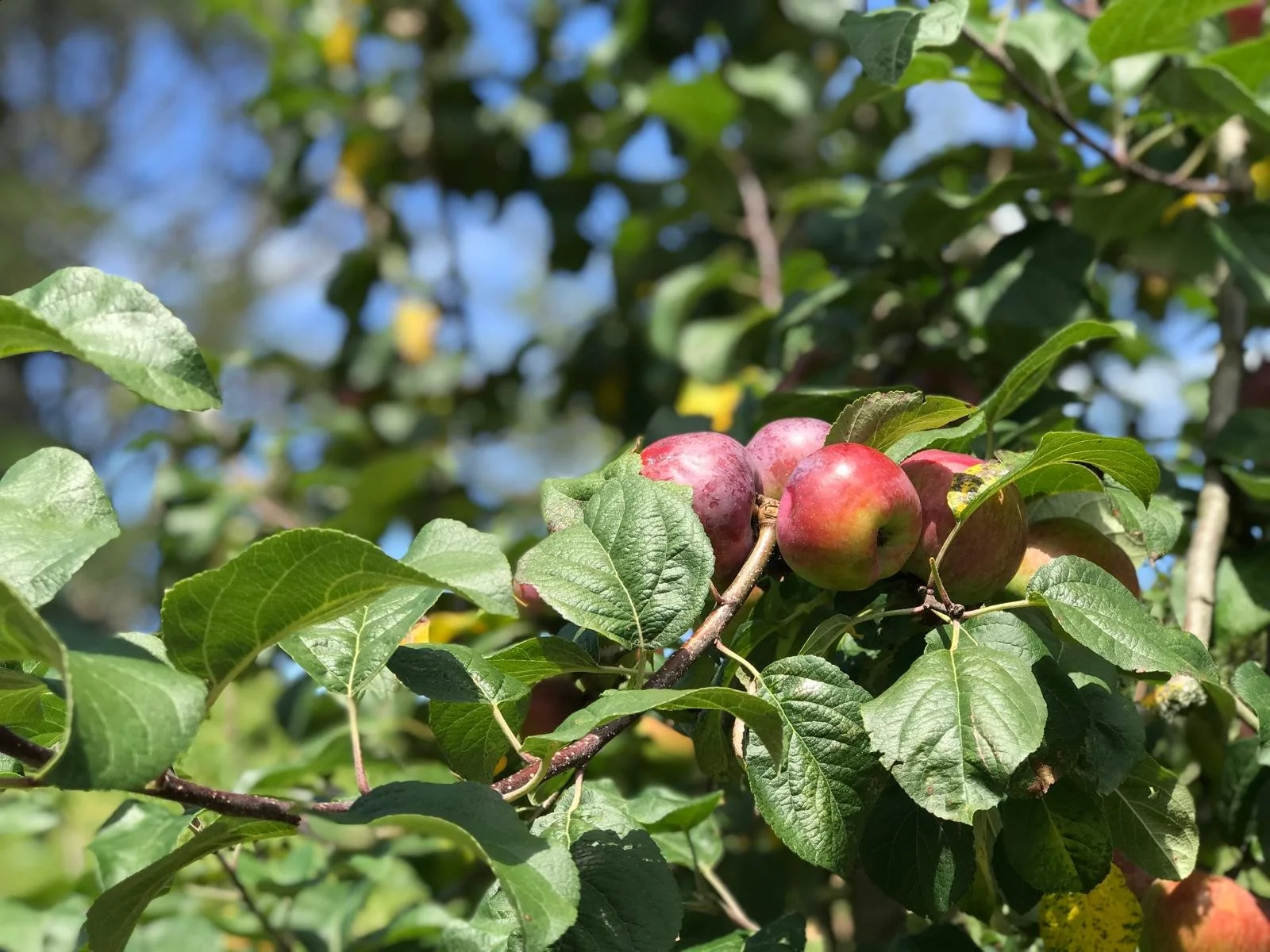
The pie-apple sweet spot sits at the intersection of three qualities: firm flesh that holds its shape during cooking (no mushy collapse), balanced sweet-tart flavor that doesn't read as one-note, and enough acidity to keep the pie from feeling cloying. Single-variety pies tend to lean too far in one direction; the best pies use a mix of two or three apples that complement each other.
Top-tier pie apples (firm, flavorful, holds shape):
Northern Spy — the New England gold standard. Tart, complex, holds shape beautifully. The traditional choice for serious bakers.
Pink Lady (Cripps Pink) — bright sweet-tart balance, firm flesh, holds shape well. Available later in the season.
Honeycrisp — sweet-forward with crisp texture; pair with a tart variety to balance.
Granny Smith — pure tartness, holds shape exceptionally well. Use as the acid backbone in a multi-variety pie.
Braeburn — complex flavor, firm flesh, excellent baker.
Stayman / Winesap — Appalachian heritage variety with deep complex flavor.
Cortland — slightly softer but with beautiful color retention; pairs well with firmer varieties.
Macoun — McIntosh-Jersey Black cross; rich aromatic flavor.
Avoid for pie:
Red Delicious — soft flesh, low acidity, collapses into mush.
Gala — too sweet on its own, soft texture.
Fuji — sweet but lacks the complexity for pie.
The classic combinations:
Northern Spy + Granny Smith — the New England traditional.
Honeycrisp + Granny Smith + Pink Lady — the modern multi-variety.
Stayman + Cortland — the Appalachian classic.
A note on heritage varieties: Local orchards often grow apple varieties the supermarket has stopped carrying — Macoun, Northern Spy, Cox's Orange Pippin, Esopus Spitzenburg (Thomas Jefferson's favorite), Roxbury Russet (the oldest American apple variety, dating to 1635). When you see these at the farmers' market, buy them. They are dramatically more flavorful than commercial varieties and are at risk of disappearing entirely from American agriculture.
Master Filling
Used in the Lattice and Double-Crust treatments. The Dutch Crumb has its own pre-sautéed filling, included with that recipe below.
Ingredients:
6 medium apples (heritage mix preferred — see guidance above), peeled, cored, and thinly sliced
⅓ cup raw honey or pure maple syrup
2 tbsp arrowroot or tapioca flour
2 tsp ground Ceylon cinnamon
½ tsp freshly grated nutmeg
¼ tsp ground cardamom (optional)
2 tbsp fresh lemon juice
Zest of 1 organic lemon
2 tbsp grass-fed butter, cubed (for dotting on top of filling before the top crust)
Pinch sea salt
A note on substitutions: Pears can substitute up to 50% of the apples for a slightly more delicate variation. Coconut sugar can substitute for honey/maple syrup for a deeper caramel character.
1 · Dutch Apple Crumb Pie
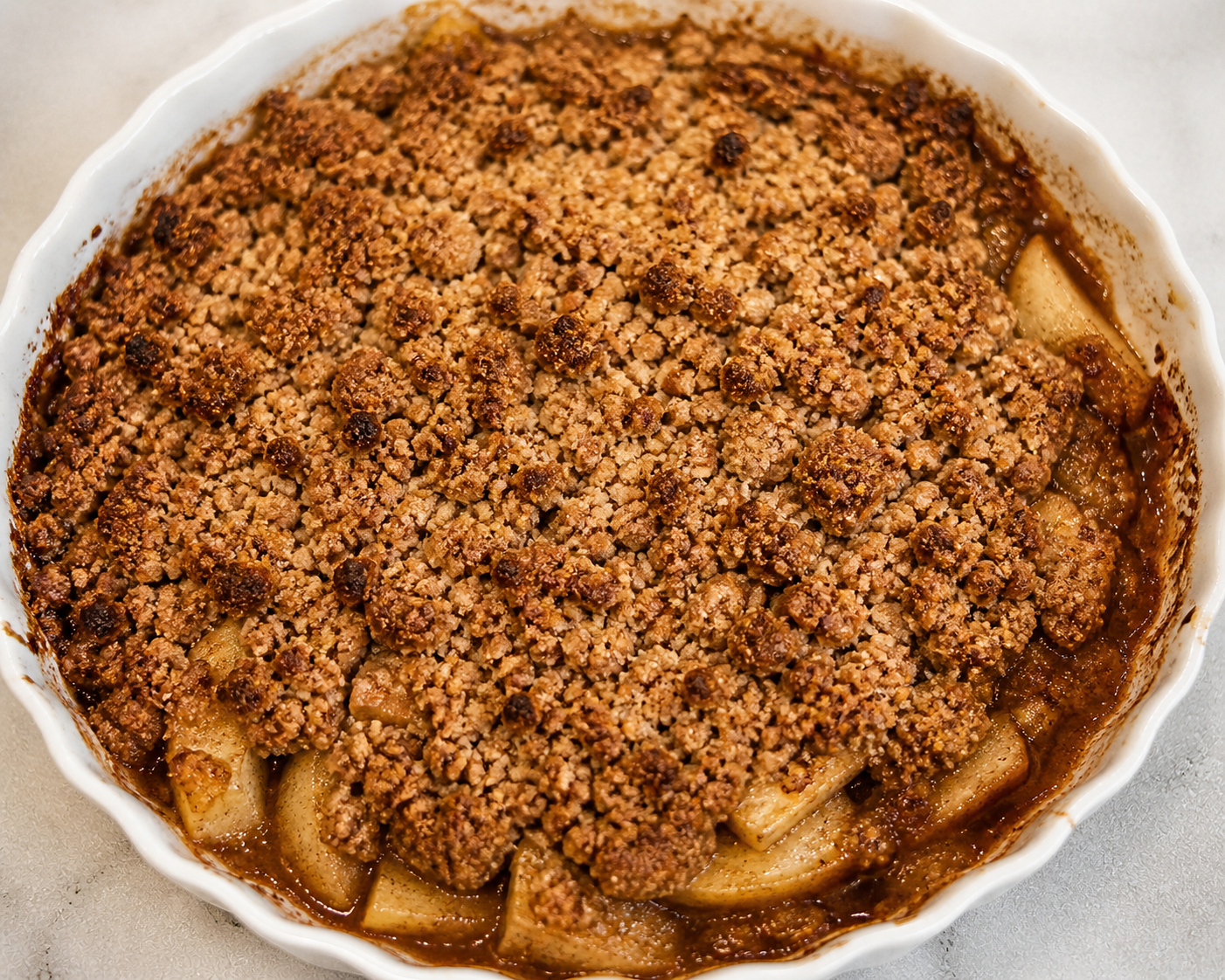
The European-American farmhouse version — pre-sautéed apples, almond-flour crumb topping, served warm.
Yield: One 9-inch pie (serves 8) Active: 30 min · Total: 1 hr 45 min
Ingredients
For the crust:
2 cups blanched almond flour
1 cup arrowroot or tapioca flour
¼ cup coconut oil, melted
¼ cup pure maple syrup
1 large pasture-raised egg
Pinch sea salt
For the pre-sautéed apple filling:
6 medium apples, peeled, cored, thinly sliced
2 tbsp coconut oil
2 tbsp pure maple syrup
2 tbsp coconut sugar (optional, for deeper caramelization)
1 tbsp ground Ceylon cinnamon
1 tbsp arrowroot or tapioca flour
Pinch sea salt
For the crumb topping:
1½ cups blanched almond flour
1 tbsp coconut sugar
½ tsp ground Ceylon cinnamon
2 tbsp coconut oil or grass-fed butter, softened
2 tbsp pure maple syrup
Pinch sea salt
Method
1. Make the crust. In a bowl, mix almond flour, arrowroot, and salt. Cut in the coconut oil with a fork. Stir in maple syrup and egg until a dough forms. Form into a ball and chill 1 hour.
2. Roll and shape the crust. Roll the chilled dough between two sheets of parchment paper. Press into a 9-inch pie pan, working it up the sides to form a clean edge.
3. Sauté the apples. In a skillet over medium heat, sauté apple slices in coconut oil 5 minutes until starting to soften. Add maple syrup (and coconut sugar if using). Continue cooking 5 more minutes until the apples are tender and the liquid has begun to thicken.
4. Finish the filling. Off heat, stir in cinnamon, arrowroot, and salt until the mixture is glossy and evenly coated. Cool completely.
5. Make the crumb topping. Mix dry crumb ingredients in a bowl. Add softened fat and maple syrup. Use your fingers to press into uneven crumbs — leave some larger and some smaller for textural variation.
6. Assemble and pre-bake. Spoon the cooled apple filling into the crust. Cover loosely with foil and bake at 350°F for 30 minutes.
7. Add crumb topping and finish baking. Remove foil and sprinkle the crumb topping evenly over the apples. Bake uncovered another 20 minutes until the crumble is deeply golden and the filling is bubbling at the edges.
8. Cool and serve. Cool at least 1 hour before slicing — the filling thickens dramatically as it cools. Serve warm with raw cream, vanilla ice cream, or aged cheddar.
2 · Apple Pie with Lattice Crust
The visual showpiece — woven top crust that allows the filling to vent steam during baking.
Yield: One 9-inch pie (serves 8) Active: 45 min · Total: 1 hr 30 min
Ingredients
For the crust (top + bottom):
3 cups blanched almond flour
3 tbsp coconut oil, melted
2 tbsp pure maple syrup
½ tsp sea salt
1 large pasture-raised egg
For the filling:
Use the Master Filling above.
Method
1. Make the crust. Mix all crust ingredients in a bowl until a dough forms. Divide in half. Roll the first half between two sheets of parchment paper into an 11-inch circle. Press into a 9-inch pie pan, patching as needed.
2. Prepare the lattice strips. Roll the second half of dough between parchment into a rectangle roughly 10 × 12 inches. Refrigerate both portions while you prepare the filling.
3. Prepare the filling. In a large bowl, gently toss the sliced apples with honey or maple syrup, arrowroot, cinnamon, nutmeg, cardamom (if using), lemon juice, lemon zest, and salt until evenly coated.
4. Preheat the oven to 350°F.
5. Fill and lattice. Spoon the filling into the prepared bottom crust, mounding slightly in the center. Dot with the 2 tbsp cubed butter from the Master Filling. Slice the reserved dough into ½-inch wide strips. Weave into a lattice pattern over the filling, alternating strips over and under in classic lattice form. Trim and crimp the edges to seal.
6. Bake. 35–40 minutes until the crust is golden and the filling is bubbling thickly between the lattice openings. If the edges brown too quickly, cover them with strips of foil.
7. Cool and serve. Cool at least 1 hour before slicing.
3 · Grain-Free Double-Crust Apple Pie
The deep-Americana version — fully covered top, egg-washed, sprinkled with coconut sugar, baked until mahogany.
Yield: One 9-inch pie (serves 8–10) Active: 45 min · Total: 2 hr
Ingredients
For the crust (top + bottom):
3 cups blanched almond flour
½ cup cassava or arrowroot flour
2 tbsp coconut sugar
½ tsp sea salt
½ cup cold grass-fed butter, cubed
1 large pasture-raised egg
2 tbsp ice-cold water (more as needed)
1 tsp pure vanilla extract
For the filling:
Use the Master Filling above.
To finish:
1 egg, beaten (for egg wash)
Coconut sugar, for sprinkling
Method
1. Make the crust. In a food processor, pulse almond flour, cassava flour, coconut sugar, and salt to combine. Add cold cubed butter and pulse to a coarse meal. Add egg, vanilla, and 2 tbsp ice water; pulse just until a dough forms (add 1–2 tbsp more water if dry).
2. Chill the dough. Divide dough in half. Flatten each into a disc, wrap in parchment, and chill 30 minutes.
3. Preheat the oven to 375°F.
4. Prepare the filling. In a large bowl, gently toss the sliced apples with honey or maple syrup, arrowroot, cinnamon, nutmeg, cardamom (if using), lemon juice, lemon zest, and salt until evenly coated.
5. Roll and shape the bottom crust. Roll the first dough disc between two sheets of parchment paper into an 11-inch circle. Transfer to a 9-inch pie plate, patching cracks as needed. Trim overhang to 1 inch.
6. Fill the pie. Spoon the filling into the crust, mounding slightly in the center. Dot with the 2 tbsp cubed butter from the Master Filling.
7. Roll and place the top crust. Roll the second disc between parchment into an 11-inch circle. Lay over the filling. Trim and crimp the edges to seal — fold the top crust under the bottom crust edge and crimp with your fingers or a fork. Cut 4–5 slits in the top to vent steam.
8. Egg wash and sugar. Brush the top crust thoroughly with beaten egg wash. Sprinkle generously with coconut sugar — this gives the deep mahogany finish and slight crackle when baked.
9. Bake. 45–55 minutes until the crust is deeply golden brown and the filling is bubbling thickly through the vents. If the edges brown too quickly, cover with strips of foil.
10. Cool and serve. Cool at least 1 hour before slicing — this is critical. The filling is liquid hot and will run if cut too soon. Serve at room temperature or slightly warmed, with raw cream, vanilla ice cream, or aged cheddar.
Nourishment Notes
Apples are an autumn fruit by tradition and ancestral logic — they ripen as days shorten, store well into winter, and bring pectin (a soluble fiber that supports gut flora and binds heavy metals), quercetin, and the polyphenols concentrated in their skins. Local heritage varieties (Honeycrisp, Pink Lady, Granny Smith, Northern Spy, Cortland, Macoun, Stayman) outperform commercial varieties significantly in polyphenol density and flavor complexity. The polyphenol concentration in apple skin is roughly 5× that of the flesh — particularly the proanthocyanidins and the specific apple polyphenols (catechin, epicatechin, phloridzin) studied for cardiovascular and anti-inflammatory effects. Eating peak-season apples within a few weeks of harvest delivers dramatically more polyphenol load than long-storage cold-room apples in March.
The traditional autumn-baking spice palette is more than flavor. Cinnamon (Ceylon variety specifically) contributes chromium and proanthocyanidins that actively support post-meal blood sugar regulation — particularly useful in a dessert with multiple natural sugar sources. Nutmeg adds aromatic compounds traditionally used in autumn baking for digestive support; cardamom contributes additional warming and digestive-supportive aromatic oils. The cinnamon-nutmeg-cardamom combination is a classic carminative trio, supporting digestion of the rich, fruit-and-fat-dense filling.
The crust ingredients pull their weight. Almond flour provides vitamin E, magnesium, and monounsaturated fats; grass-fed butter (in the double-crust version) brings butyrate and the fat-soluble vitamins A, D, E, and K2 dependent on green pasture and sunlight. Coconut oil (in the lighter crust versions) provides medium-chain triglycerides and a stable saturated fat structure. Cassava flour is a whole-root-ground flour from the tropical cassava plant — neutral, structural, completely grain-free; arrowroot and tapioca flour serve similar structural roles in the lighter crusts. Pasture-raised eggs add complete protein and choline. Pure maple syrup contributes manganese and zinc with a meaningfully gentler glycemic curve than refined sugar; raw honey (when used) brings antimicrobial enzymes and trace minerals.
The traditional New England apple-pie-with-aged-cheddar pairing is genuinely transcendent. The salt and umami of an aged sharp cheddar (8+ months aged, ideally from a regional producer like Cabot Clothbound or Grafton Village) cuts the pie's sweetness and adds protein-and-fat density. The pairing predates supermarket-era America by generations and reflects the deep American farmhouse tradition where dessert was never separated from the whole nourishment of the meal.
As a circadian and seasonal food, all three treatments are afternoon eating during the autumn apple-harvest window. The Dutch Crumb is the most rustic-comfort; the Lattice is the visual showpiece for a dinner-party table; the Double-Crust is the deep-Thanksgiving Americana version. All three are best eaten the day after baking — the filling fully sets, the spices deepen, and the crust holds its structure better. Eat in the early afternoon when the body's insulin response is most graceful; pair with the protein of raw cream, full-fat ice cream, or sharp cheese to anchor the natural sugars and prevent the spike-and-crash pattern.
Sourcing
Apples: Local orchard or farmers' market, full stop. Pick-your-own (PYO) farms are ideal during peak harvest — usually mid-September through late October in temperate climates. Heritage varieties (Northern Spy, Macoun, Cortland, Stayman, Cox's Orange Pippin, Roxbury Russet, Esopus Spitzenburg) are dramatically more flavorful than commercial varieties and worth seeking out. Frog Hollow Farm (California, regenerative orchard) ships nationwide. Avoid commercial apples from cold storage in late winter and spring — they can be 6–10 months old by the time they reach you.
Almond flour: King Arthur super-fine almond flour, Anthony's Goods (organic, blanched), or Bob's Red Mill (super-fine). Look for blanched, finely ground for the smoothest pastry texture. Avoid almond flour with rancid almonds — smell before using; it should smell sweet and faintly almond-like, never bitter or stale.
Cassava flour: Otto's Cassava Flour is the gold standard — extremely finely ground, behaves remarkably like wheat flour in pastry. Bob's Red Mill organic cassava is a solid alternative.
Arrowroot / tapioca flour: Bob's Red Mill organic arrowroot, Anthony's Goods organic tapioca flour. Both work interchangeably in these recipes.
Grass-fed butter: Vital Farms, Organic Valley Pasture Butter, or Kalona Organic in spring/summer when grass content is highest. Kerrygold acceptable.
Coconut oil: Nutiva organic virgin coconut oil, Dr. Bronner's fair-trade organic, or Nutiva refined for a more neutral flavor in the crust. Avoid hydrogenated coconut oil or anything labeled "76 degree" — these are highly processed.
Eggs: Pasture-raised from a local farm or Vital Farms Pasture-Raised if shopping conventionally. The yolks should be deeply orange — the color signals carotenoid density from real foraging.
Maple syrup: Grade A dark or amber from a small Northeastern producer — Crown Maple, Sap! Maple, Coombs Family Farms, or local farmers' market sources. Avoid "pancake syrup" (corn syrup) and brands with artificial caramel coloring.
Raw honey: Local apiarist whenever possible — local honey carries pollen profiles unique to your region. Really Raw Honey, Bee Raw, or Savannah Bee Company for shipped raw honey. Avoid grocery-store honey listing multiple country origins (often ultra-filtered and adulterated).
Coconut sugar: Big Tree Farms, Madhava, or Wholesome organic coconut sugar.
Ceylon cinnamon: Burlap & Barrel Royal Cinnamon, Frontier Co-op Ceylon, or Diaspora Co. The "true" cinnamon — softer, sweeter, lower in coumarin than the more common cassia variety.
Nutmeg: Whole nutmeg from Burlap & Barrel or Diaspora Co., freshly grated for each pie. Pre-ground nutmeg loses its aromatic oils within months.
Cardamom: Diaspora Co. Aranya cardamom or Burlap & Barrel for fresh, aromatic cardamom. Pre-ground commercial cardamom is typically stale.
Aged cheddar (for serving): Cabot Clothbound Cheddar (Vermont, 8–14 months aged), Grafton Village Clothbound (Vermont), Shelburne Farms raw cheddar, or Cabot Vintage Choice Extra Sharp. Local farmstead cheddars from a regional dairy are ideal when accessible.
Storage
Refrigerated up to 4 days; frozen up to 1 month. The pies improve dramatically on day 2 — the filling fully sets, the spices integrate, and the crust holds its structure better. For 12+ guests, double any of the three treatments (the Dutch Crumb scales most cleanly into a 9×13 pan; the others stay as two separate pies). The unbaked filling can be made up to 1 day ahead and refrigerated; the crust can be made up to 2 days ahead, wrapped tightly. To reheat: 300°F covered with foil for 15–20 minutes restores warm-from-the-oven texture.
Pairs Well With
For the table:
Raw cream lightly whipped with a touch of vanilla and a teaspoon of raw honey — the most traditional pairing.
Vanilla bean ice cream made with grass-fed cream and pasture-raised eggs (homemade is ideal; Straus Family Creamery, Ice Cream For bears, Alden’s Organics, or Van Leeuwen for store-bought).
Crème fraîche or labneh for a tangy alternative to cream — particularly good with the lattice and double-crust versions.
For the gathering: A pot of fresh-brewed loose-leaf tea for afternoon presentation. A small pour of homemade hot apple cider with cinnamon stick, clove, and orange peel.
For the meal context: After a roast — pork tenderloin, roast chicken, or a Sunday brisket — apple pie is the perfect autumn close. For Thanksgiving specifically, the Double-Crust Traditional is the version that belongs on the table; serve alongside whatever else you bake.