Kohlrabi Pad Thai
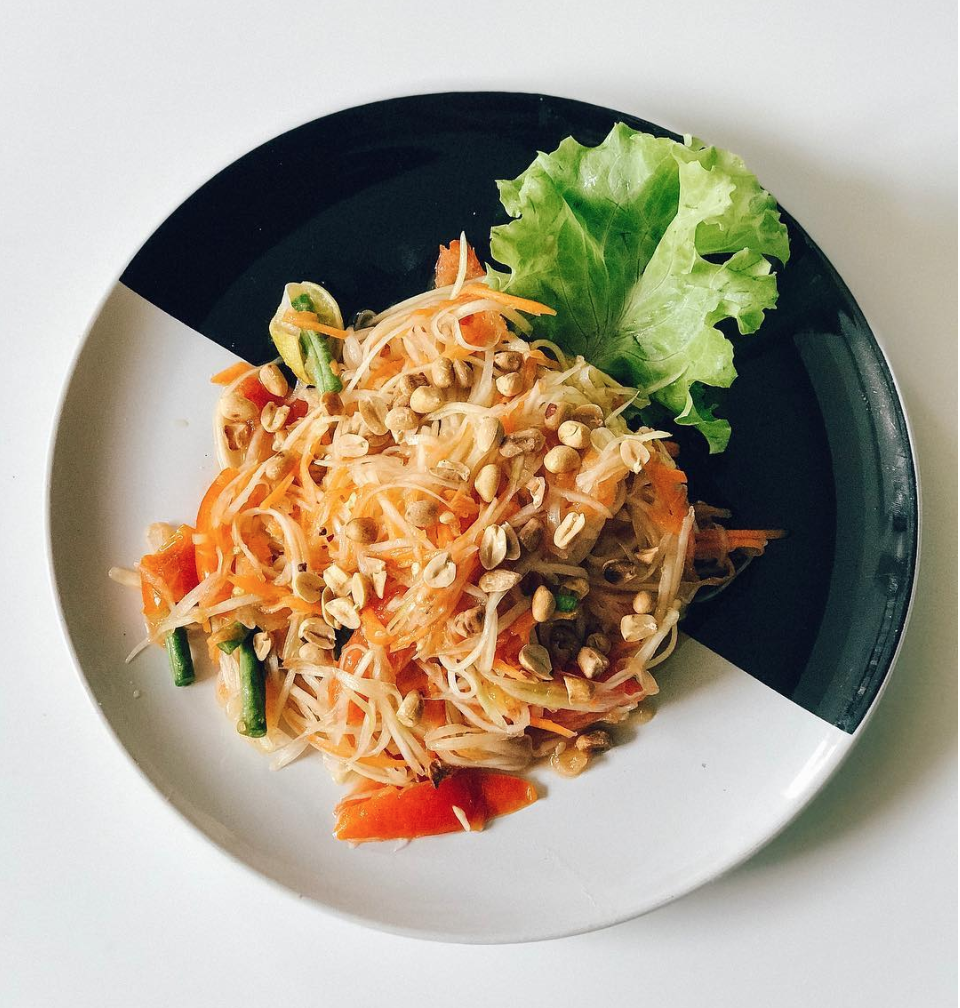
Kohlrabi Pad Thai
A grain-free pad thai built on shredded kohlrabi noodles
Serves 4 · 20 min active · 25 min total · autumn (or winter) · midday or early evening
Ingredients
4 medium kohlrabi bulbs, peeled and spiralized (or shredded)
2 tbsp coconut oil or grass-fed butter
4 garlic cloves, minced
½ cup green onions, thinly sliced
½ cup fresh cilantro, chopped
1 cup roasted peanuts
handful microgreens, for garnish
Optional additions
1 red bell pepper, julienned
2 carrots, ribboned
1 cup broccoli florets
2 tbsp toasted coconut flakes
1–2 beaten pasture-raised eggs, scrambled
handful fresh mint leaves
cooked wild shrimp or shredded chicken
Peanut sauce
¼ cup peanut butter (or almond butter)
¼ cup coconut aminos
2–3 tbsp toasted sesame oil
juice and zest of 1 lime
1 tbsp raw honey
1 tsp fresh ginger, grated
1 garlic clove, minced
Method
Peel the kohlrabi bulbs and spiralize them — or, if without a spiralizer, shred on the largest holes of a box grater.
Whisk all peanut sauce ingredients in a bowl until smooth. Thin with a tablespoon of water if needed.
Heat the coconut oil in a large skillet over medium-high. Add the garlic and sauté 30 seconds, until fragrant.
Add the kohlrabi noodles. Sauté 2–3 minutes, just until tender but still with bite. Do not overcook — kohlrabi loses its texture quickly.
If using bell pepper, carrots, or broccoli, add them in the last minute of cooking.
Transfer to a serving bowl. Pour the peanut sauce over the noodles and toss gently.
Top with green onions, cilantro, peanuts, microgreens, and any optional additions (toasted coconut, scrambled egg, mint, shrimp, or chicken).
Serve with lime wedges.
Nourishment Notes
Kohlrabi is a member of the brassica family — closely related to cabbage, broccoli, and cauliflower — but with the structure of a root vegetable. It is one of the most underused vegetables in the modern American kitchen and one of the more interesting in seasonal eating, peaking in autumn alongside other cool-weather brassicas. Central European cooking, particularly German and Hungarian, has long recognized kohlrabi as a noodle-substitute when shaved or shredded.
Pad thai built on a vegetable noodle rather than a grain noodle is, structurally, a different dish from Thai street pad thai — and the kohlrabi version reads as recognizably autumn cooking rather than tropical-summer cooking. The shorter cook time (2–3 minutes versus the full braise of rice noodles) keeps the brassica's slight bite intact, and the peanut sauce takes on the flavor of the vegetable rather than masking it. This is why kohlrabi pad thai is best eaten freshly cooked, whereas rice-noodle pad thai improves slightly on standing.
Garlic sautéed in coconut oil before the noodles is added is the technique that lifts this dish out of "raw vegetable in sauce" territory and into "cooked noodle dish." Garlic compounds — particularly allicin — develop their most aromatic forms when briefly heated in fat, then fade quickly with extended cooking. The 30-second sauté is the window where the kitchen smells unmistakably of garlic and the compound is at its most active. Any longer and the garlic browns and bitters; any shorter and it tastes raw.
Storage: Best eaten immediately. Kohlrabi noodles soften significantly within an hour of being sauced.