PATACONES WITH TROPICAL GUACAMOLE
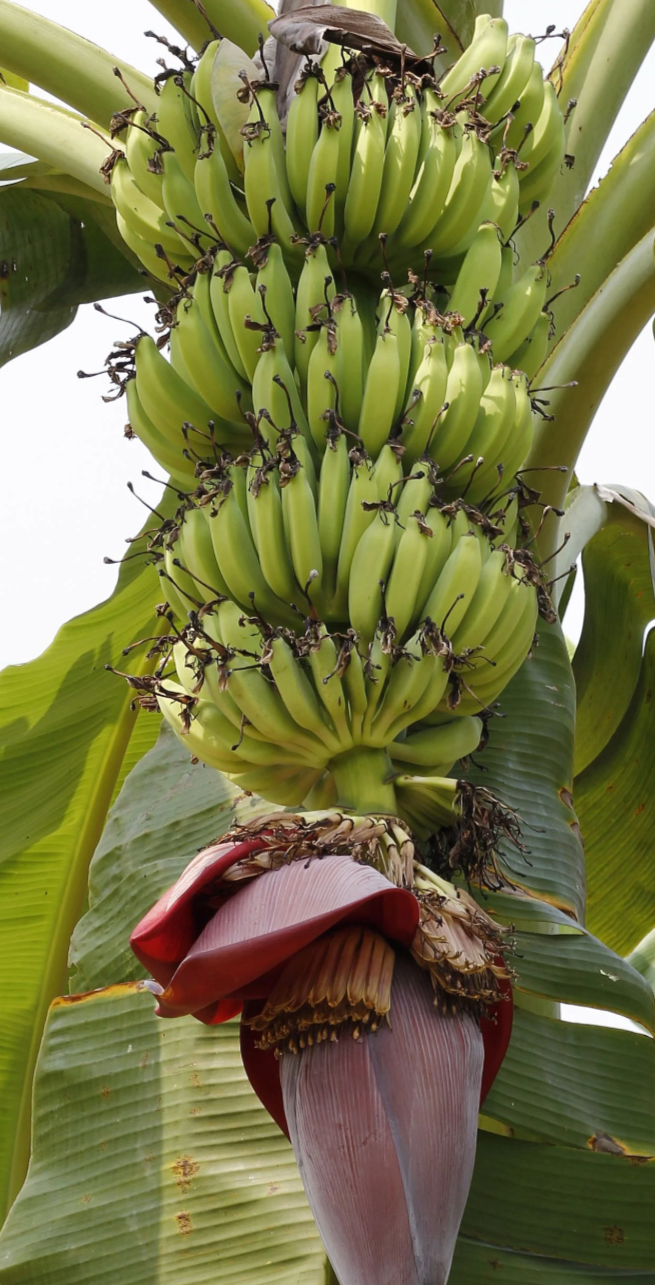
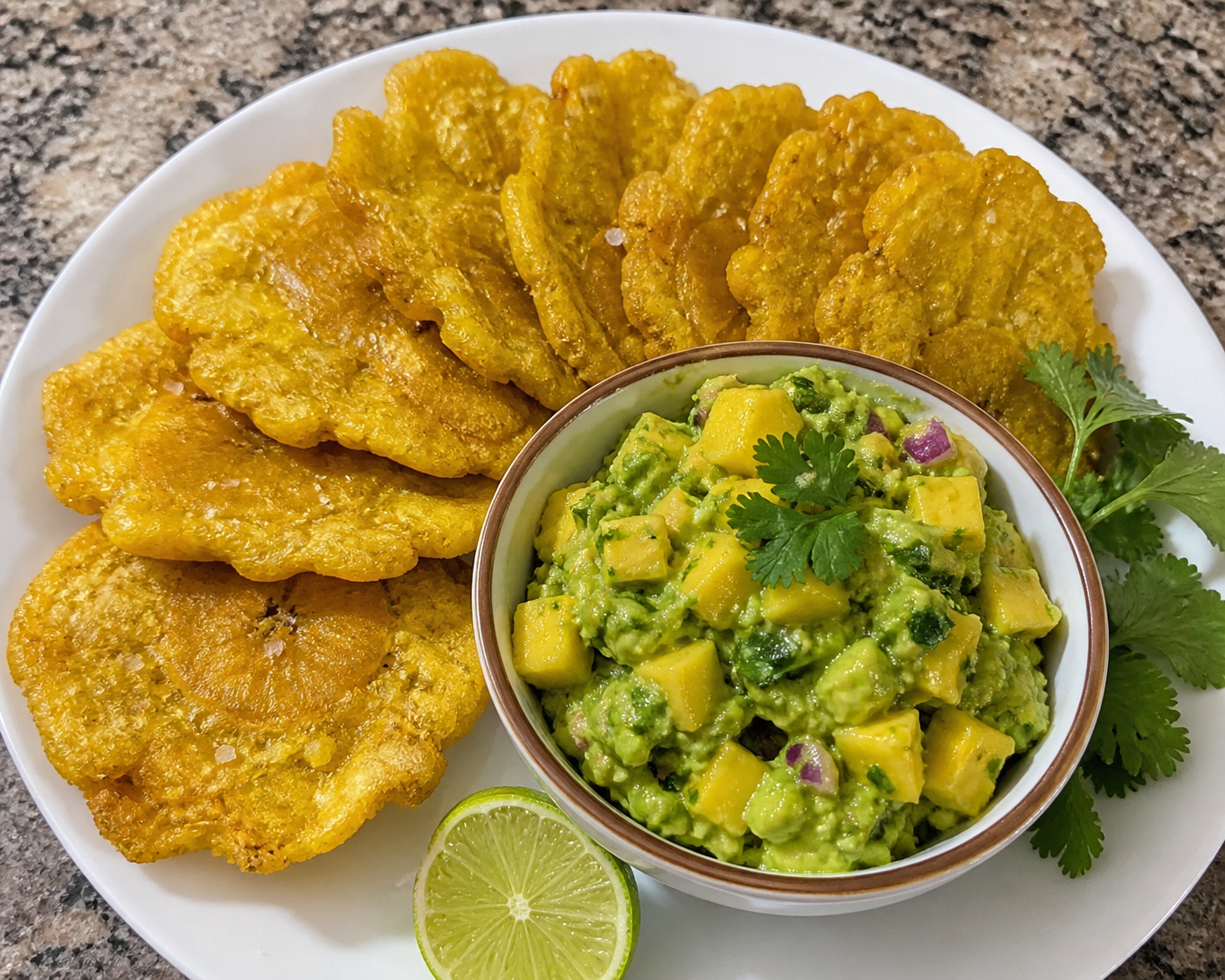
Twice-fried green plantains, two ways — classic guacamole and pico, or tropical mango guacamole.
Season: Year-round in tropical regions (plantains peak late summer through winter)
Cuisine: Costa Rican · Caribbean
Yield: Serves 4 (or 12 for retreat scale)
Active: 35 min · Total: 45 min
Best eaten: midday or early afternoon
INGREDIENTS
Patacones
6–8 green (unripe) plantains, locally sourced when possible
1 cup pastured lard, for frying
Sea salt, to taste
Choose a topping direction
Classic Guacamole + Pico de Gallo
2 ripe avocados, mashed with: 2 tbsp red onion (finely diced), 1 tbsp fresh cilantro, juice of 1 lime, ¼ tsp sea salt, optional 1 small jalapeño (minced)
Pico: 2 medium tomatoes (seeded, finely diced), ¼ red onion, ¼ cup fresh cilantro, 1 small jalapeño (seeded, minced), juice of 1 lime, ½ tsp sea salt
Tropical Mango Guacamole (retreat scale)
8 ripe avocados
1 ripe mango, diced
2 tomatoes, diced
½ red onion, finely diced
½ jalapeño, seeded and minced
2 cloves garlic, minced
Juice of 1 sour mandarin or 1 lime
½ cup fresh cilantro, chopped
½ ripe pineapple, diced (optional, for extra tropical sweetness)
Sea salt and pepper, to taste
Sub: if sour mandarin is unavailable, lime juice with a small splash of orange juice replicates the bright-tart profile. Plantains can be smashed with a tortilla press or the flat side of a wide knife.
METHOD
Peel the plantains and slice into 1.5-inch rounds.
First fry. Heat fat in a deep skillet over medium heat. Fry the rounds 3 minutes per side until pale gold. Remove with a slotted spoon and drain. (Note: Lard's smoke point is 370°F (vs. avocado oil's 520°F), so frying temperature should sit at 340–360°F rather than higher Quality home-rendered lard is firm-solid at room temperature and milky-white-to-pale-cream colored; if it's translucent or yellowish, it's been over-processed).
Smash. Using the bottom of a glass or flat pan, smash each round to about ½-inch thickness.
Second fry. Return the smashed patacones to the hot oil and fry 2–3 minutes per side, until deeply golden and crisp.
Drain on paper towels and salt immediately while still hot.
Toppings. For the classic version, mash the avocados leaving some texture; fold in onion, cilantro, lime, salt, and optional jalapeño. Combine pico ingredients in a small bowl and let rest 10 minutes for the flavors to meld. For the tropical version, mash avocados and fold in mango, tomato, onion, jalapeño, garlic, cilantro, citrus, and optional pineapple; season generously with salt and pepper.
Serve the patacones warm, topped generously with the chosen guacamole and pico (if using).
NOURISHMENT NOTES
Green plantains are one of the most concentrated sources of resistant starch in the tropical diet — a fermentable fiber that feeds the gut microbiome and produces butyrate, the short-chain fatty acid that fuels colonocytes and modulates systemic inflammation. The double-fry method is more than tradition: the first fry partially gelatinizes the starch, the cooling and smashing reorganizes it into a more resistant structure, and the second fry crisps the exterior without further degrading the interior carbohydrate matrix. Plantains also deliver potassium, B6, and vitamin C in meaningful amounts. Lard from pasture-raised pigs is the traditional cooking fat for patacones across Latin America — and structurally the right choice. Pasture-raised lard is heat-stable, roughly 40% saturated and 50% monounsaturated, and carries meaningful vitamin D₃ from pigs raised in sunlight (one of the few non-fish food sources). Unlike industrial seed oils, which oxidize at frying temperatures and generate aldehydes the body must then clear, the cooking fat here is part of the nourishment, not incidental to it.
Avocados contribute potassium, monounsaturated fats, folate, vitamin K, and the substantial fat that ensures absorption of the fat-soluble carotenoids in everything they're paired with — lycopene from tomato, beta-carotene from mango. Lycopene's bioavailability increases significantly in the presence of fat, which is why a guacamole-and-tomato combination delivers more carotenoid payload than the same vegetables eaten separately. Cilantro contributes a unique carotenoid profile alongside compounds studied for heavy-metal binding. Red onion brings quercetin and prebiotic fibers; raw garlic adds allicin; lime juice contributes vitamin C and citrate. Capsaicin from jalapeño supports circulation and digestive fire — the heat is functional. The starch-fat-fiber pairing slows glucose absorption and produces a steadier postprandial response than patacones alone would.
As a circadian food, patacones belong to midday or early afternoon, when digestive fire is highest and the starch load aligns with peak solar exposure. Tropical cultures structure their heaviest carbohydrate eating around the middle of the day for exactly this reason — the body processes resistant starch and tropical fruits most cleanly during high-light hours, and the fat-soluble nutrients of avocado are best absorbed when paired with the day's metabolic peak. As a late-night snack, the same dish sits less well; the starch and fat slow the body's evening cooling. The classic version belongs to year-round Costa Rican breakfasts and afternoon plates; the tropical mango variation reads most naturally during the heaviest tropical fruit harvest.
Sourcing: Lard from pasture-raised pigs: rendered at home from leaf lard or back fat is the gold standard — local Amish farms, small-scale pasture-pig farms at the farmers' market, or direct from regenerative producers like US Wellness Meats (rendered pork lard from grass-finished pigs), or Fatworks (small-batch, pasture-raised, properly rendered). Avoid commercial supermarket lard which is hydrogenated and from confinement pigs — structurally a different food.
Storage: the first fry can be done a few hours ahead and the rounds held at room temperature; complete the second fry just before serving for maximum crispness. Guacamole keeps refrigerated up to one day with plastic pressed directly to its surface — the lime juice slows browning, but exposure to air defeats it. Pico de gallo holds up to 2 days refrigerated; the flavor improves overnight, the texture softens after.