Tomato Soup Two Ways
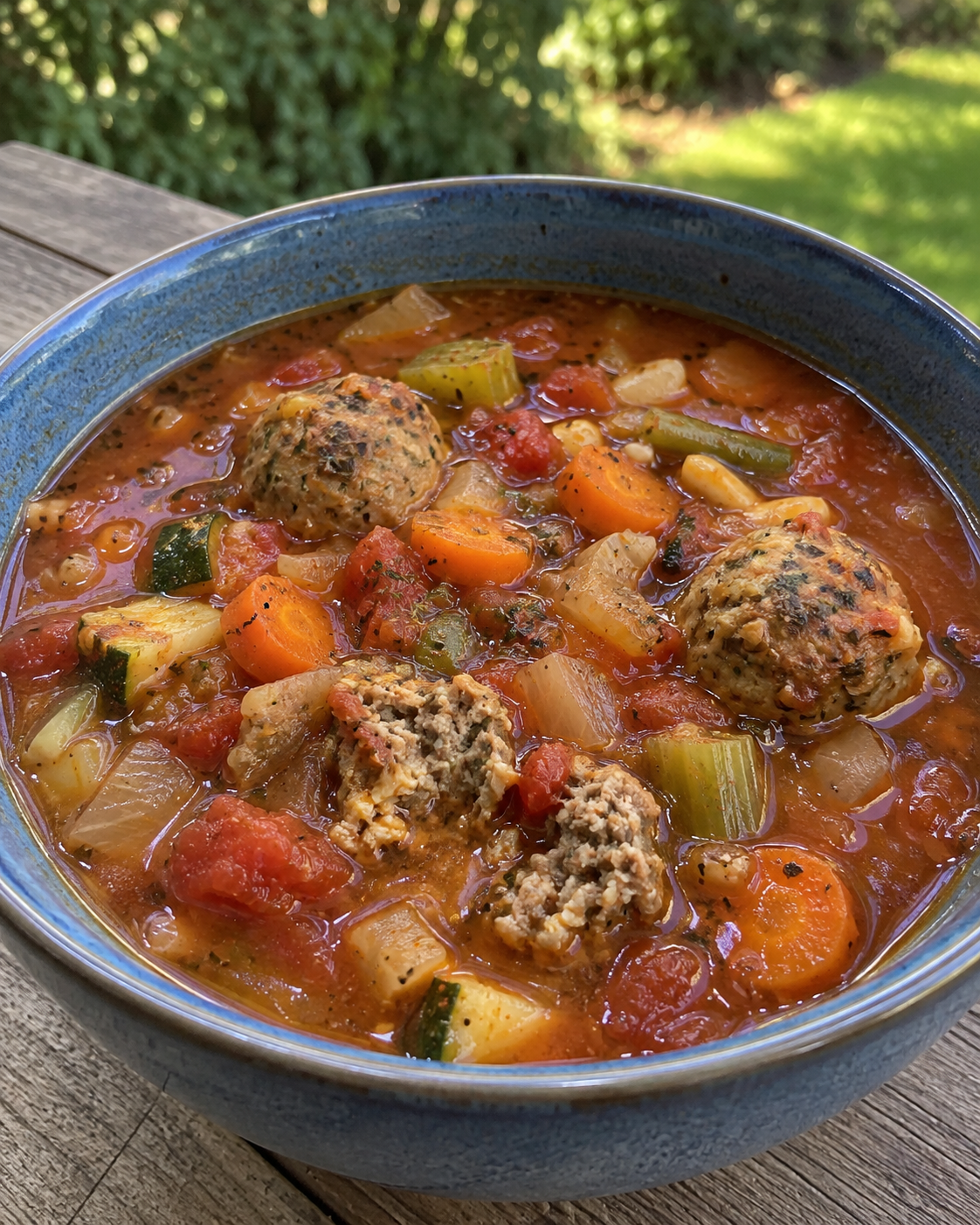
A rustic tomato-vegetable soup with your choice of protein, and a silky roasted tomato soup crowned with a soft-poached egg.
Way 1 · Rustic Tomato-Vegetable Soup: serves 4–6 · Active: 20 min · Total: 45 min
Way 2 · Roasted Tomato Soup with a Poached Egg: serves 4 · Active: 20 min · Total: 1 hr
Season: fresh tomatoes peak July–September (summer gardens, California, New Jersey and the Midwest), and zucchini June–September. Leeks, carrots and celery are good year-round. Out of season, use jarred whole tomatoes in glass. · Cuisine: farm-to-table · Best eaten: midday or early evening
Two simple, warming tomato soups, both built on real bone broth and good fat.
The first is my everyday pot: leeks, carrots, celery, zucchini and tomatoes sweated in butter or tallow, simmered in bone broth and either blended smooth or left chunky. On its own it’s a light lunch. Add shredded chicken, meatballs, shrimp or cod and it’s dinner.
The second is a richer, roasted tomato soup. Tomatoes, garlic and shallot roast in tallow until blistered and sweet, then get blended with broth and a splash of cream. A soft-poached egg floats on top, and when you break the yolk it runs into the soup.
Both start with good broth, so see my Broths 101 to make your own. More soups: Cod Fish Soup with Tomato & Potatoes and Refreshing Chicken Soup with Fresh Mint.
Way 1 · Rustic Tomato-Vegetable Soup
Ingredients
Soup base
3 tbsp grass-fed butter or tallow
2 leeks, white and pale green parts, halved, rinsed well and sliced
3 carrots, diced
3 celery stalks, diced
2 cloves garlic, minced
2 medium zucchini, diced
2 lb ripe tomatoes, chopped (or one 24-oz jar whole tomatoes in glass, with their juice)
6 cups bone broth (chicken or beef)
1 tsp fresh thyme leaves (or ½ tsp dried)
1 bay leaf
1½ tsp Baja Gold sea salt, plus more to taste
Freshly ground black pepper
To finish: a thread of single-estate extra virgin olive oil, plus fresh parsley or basil
Add a protein (pick one)
Shredded chicken: 2–3 cups cooked, shredded pastured chicken (leftover roast chicken is perfect)
Meatballs: 1 lb ground turkey, beef or bison, plus 1 pasture-raised egg, 2 cloves grated garlic, 2 tbsp chopped parsley, ½ tsp dried oregano and ¾ tsp Baja Gold sea salt
Shrimp: 1 lb wild shrimp, peeled and deveined
Cod: 1 lb wild cod, cut into 1½-inch pieces
Method
Sweat the vegetables. Melt the butter or tallow in a large heavy pot over medium-low heat. Add the leeks, carrots, celery and a pinch of salt. Cook gently, stirring now and then, for 8–10 minutes, until soft and sweet but not browned. Add the garlic and zucchini and cook 3 minutes more.
Simmer. Add the tomatoes, broth, thyme, bay leaf, salt and pepper. Bring to a boil, then lower the heat and simmer, partly covered, for 25 minutes, until the vegetables are tender.
Blend or leave it rustic. Remove the bay leaf. Leave the soup chunky, blend it smooth with an immersion blender, or blend half for a creamy but rustic texture. Taste and adjust the salt.
Add your protein:
Shredded chicken: stir it in and simmer 5 minutes, until heated through.
Meatballs: mix the meatball ingredients gently and roll them into 1-inch balls. Drop them into the simmering soup and cook 10–12 minutes, until cooked through: 160°F for beef or bison, 165°F for turkey. Add the meatballs to a rustic soup after blending, or to a smooth one.
Shrimp: add in the last 3–4 minutes, just until pink and opaque.
Cod: add in the last 5 minutes and simmer gently, without stirring, until it flakes (145°F).
Serve. Ladle into bowls and finish with a thread of olive oil and fresh herbs.
Storage: The soup keeps 4–5 days refrigerated, or 3 months frozen. With shrimp or cod, eat it within 2 days and don’t freeze it. Seafood is best added fresh when you reheat.
Way 2 · Roasted Tomato Soup with a Soft-Poached Egg
Ingredients
Soup
3 lb ripe tomatoes (Roma or a mix), halved. Out of season, use two 24-oz jars of whole tomatoes in glass, drained (save the juice).
1 head garlic, cloves separated and peeled
2 shallots, peeled and quartered
3 tbsp tallow, melted
1½ tsp Baja Gold sea salt, plus more to taste
½ tsp freshly ground black pepper
2 cups bone broth
⅓ cup cream (raw if you have it)
A few fresh basil or thyme leaves
To serve
4 pasture-raised eggs, as fresh as possible
1 tbsp apple cider vinegar, for poaching
A thread of extra virgin olive oil, flaky salt, cracked pepper and torn basil
Dairy-free: replace the cream with full-fat coconut milk, or skip it. The roasted tomatoes are creamy on their own.
Method
Roast. Heat the oven to 425°F. On a large sheet pan, toss the tomatoes, garlic and shallots with the tallow, salt and pepper. Spread them out with the tomatoes cut-side up. Roast 35–45 minutes, until the tomatoes are blistered, slumped and browned at the edges.
Blend. Scrape everything, juices included, into a pot or a high-speed blender. Add the broth and blend until smooth. (If you used jarred tomatoes, add some of the saved juice for a looser soup.)
Simmer gently. Warm the soup over medium-low heat for 10 minutes to let the flavors come together. Taste and adjust the salt.
Add the cream off the heat. Take the pot off the heat, then stir in the cream and basil. Cream can curdle if it boils with acidic tomatoes. Keep it warm over the lowest heat.
Poach the eggs. Bring a wide pan of water to a bare simmer, with small bubbles but no rolling boil, and add the vinegar. Crack each egg into a small cup. Stir the water gently, then slip the eggs in one at a time. Cook 3–4 minutes, until the whites are set and the yolks are still soft. Lift them out with a slotted spoon and blot on a towel.
Serve. Ladle the soup into warm bowls and float a poached egg in the center of each. Finish with olive oil, flaky salt, pepper and torn basil. Break the yolk into the soup as you eat.
Storage: The soup without eggs keeps 4–5 days refrigerated, or 3 months frozen if you freeze it before adding the cream. Poach the eggs fresh each time.
Cream note: raw cream isn’t raw once it’s heated, but it still adds richness. Egg note: soft-poached eggs have runny yolks. For pregnancy or young children, use pasteurized eggs or cook the yolks until set.
Nourishment Notes
Tomatoes are one of the few foods that get more nourishing when cooked. Their red pigment, lycopene, becomes easier to absorb with heat and fat, so roasting them in tallow or simmering them in butter and broth is exactly right. They also bring vitamin C, potassium and other carotenoids. Ripe, in-season tomatoes have the most flavor and the most of these nutrients.
Bone broth is the base of both soups and brings gelatin, glycine and proline (amino acids that support the gut lining, skin and joints), along with minerals from the bones. Homemade broth that gels in the fridge is the real thing.
Leeks, garlic and shallots bring prebiotic fibers that feed beneficial gut bacteria, plus the sulfur compounds behind their flavor. Sweating them slowly in fat makes them sweet and mellow.
Carrots bring beta-carotene, which the body turns into vitamin A with the help of fat. Celery adds potassium and a savory backbone. Zucchini adds vitamin C, potassium and body without heaviness.
Pasture-raised eggs add complete protein, choline and the fat-soluble vitamins A, D, E and K2. A soft, runny yolk keeps those delicate nutrients intact.
Tallow and grass-fed butter are traditional, heat-stable cooking fats that bring fat-soluble vitamins and help you absorb the carotenoids in the tomatoes and carrots. Cream adds richness and more fat-soluble vitamins. A thread of good olive oil at the end adds polyphenols and fresh, peppery flavor.
The protein you add turns Way 1 into a complete meal. Chicken and turkey bring B vitamins and selenium. Beef and bison bring heme iron, zinc and B12. Wild shrimp and cod bring iodine, selenium and lean protein.
For your cycle: during menstruation, a warm, broth-based soup with beef or bison meatballs helps replenish iron and is easy on digestion. In the luteal phase, the roasted tomato soup with a poached egg is cozy comfort food with plenty of protein and fat to keep cravings steady.
Sourcing
Bone broth: homemade (see Broths 101), or a frozen pasture-raised broth from a local farm or butcher
Tomatoes: a farmers’ market in season. Out of season, jarred whole tomatoes in glass, like Jovial or Bionaturae, so there’s no can lining.
Leeks, carrots, celery, zucchini, garlic and shallots: a farmers’ market, organic where possible (celery especially)
Tallow and butter: grass-fed, from a local farm or butcher
Cream: raw from realmilk.com or a local farm, or a grass-fed pasteurized cream
Eggs: pasture-raised, from a local farm or Pete & Gerry’s. Fresh eggs poach best.
Proteins: pastured chicken, turkey, beef or bison from a local farmer or butcher; wild shrimp and wild cod from a trusted fishmonger
Olive oil: single-estate extra virgin, from a small producer with a recent harvest date
Sea salt: Baja Gold
— Anna aka Food Marshall