Whole-Animal Lamb Stew — Liver, Shanks & Roasted Vegetables
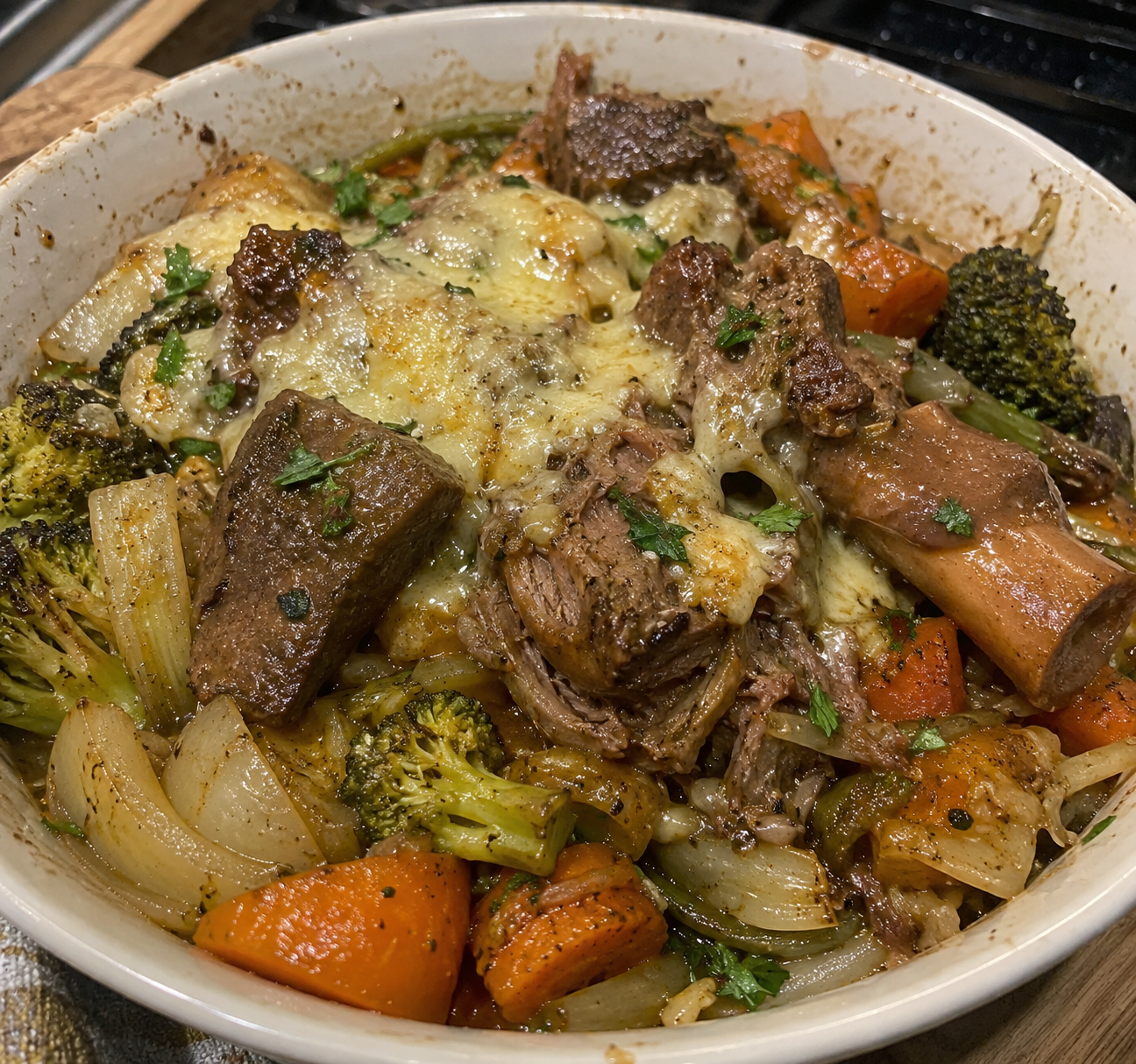
This is the dish that happens when your local carnicería (butcher shop) rolls a whole animal out of the chest freezer and lets you choose your cuts. Real lamb from a real animal, real organ meats for real mineral density, real vegetables roasted alongside.
Yield: 6 servings
Active: 45 min · Total: 3 hr
Autumn-winter primarily; year-round with seasonal vegetable variations
A note from the kitchen
I went to the carnicería in Spain’s Basque Country. I asked if he had cordero — lamb. He walked out of the chest freezer with the whole animal. Yes— the whole animal. And he let me choose which cuts I wanted.
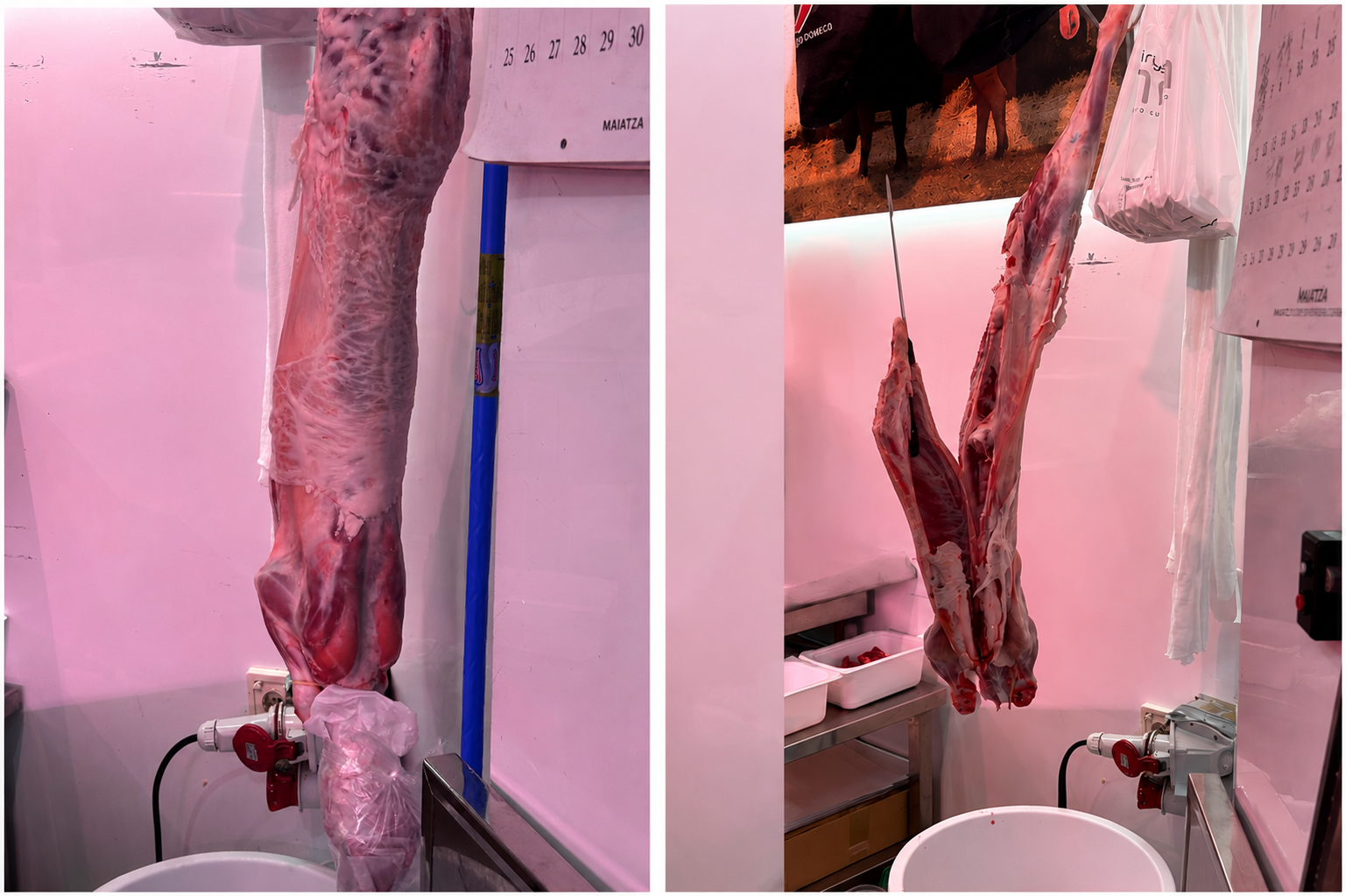
I asked for the organs first. Then he sliced the shank bones and other delicious cuts from the animal.
This is what real meat sourcing actually looks like, and it's a world away from picking up a styrofoam-wrapped tray of ground lamb at a supermarket. I like cooking nose-to-tail. I rarely want to throw away scrappy parts of the animal. I like the fatty, collagenous, gristly, odd texture parts— and if you throw them in a stew, they cook down and add to the flavor and nutrient-density of the broth. Nothing tastes as deep, as mineral-rich, or as nourishing as a lamb stew built on the whole animal.
So I decided to do this the simple, ancestral way — throw it all into a pot, easy and direct. All the meat and bones, along with carrots, onions, fresh parsley, and a fennel bulb. Roasted broccoli added in the last fifteen minutes (any earlier and it turns to mush). A generous dash of salt (such as Baja Gold Sea Salt). Shavings of aged sheep cheese on top to finish are an added bonus. Four hours of slow simmer later, the meat was falling off the bone and the broth was the kind of deeply restorative thing the body recognizes immediately as food. For a thicker collagenous-rich broth, you can simmer it overnight and the bones will crumble into pieces— and then you can even blend them into the broth itself.
If you have access to a real butcher who works with whole animals, ask for the organs. Ask for the cuts most are afraid to eat, have forgotten how to use, or have never tried before. The depth of flavor and the mineral density are genuinely on a different level.
Here is one of the great structural ironies of modern eating, and one of the things I love most about whole-animal cooking: the most nutrient-dense parts of the animal are also the least expensive. When you walk into a real butcher and ask for organs, shanks, neck bones, tails, cheeks, and trimmings, you walk out paying a fraction of what supermarket-display lamb chops or ground lamb would have cost — sometimes less than a quarter of the price — and you take home everything the animal had to offer. The industrial food system has trained us to pay premium prices for the parts of the animal with the least nutritional density (the lean muscle cuts), while pricing the most nourishing parts cheaply because most modern shoppers don't know what to do with them. The organs, the bones, the gelatinous bits, the marrow — the things that deliver the actual structural building blocks the body needs — are sold for almost nothing. A pot of stew built this way can cost less than a single pack of ground lamb at a conventional grocery store, and the broth alone feeds the body for days. The cultures that have always centered whole-animal eating weren't being thrifty — they were being structurally accurate about where the nourishment actually lives. Ancestral eating, done right, is one of the most accessible ways to nourish yourself and your family that exists.
Ingredients
For the lamb (the whole-animal approach):
8 oz lamb liver, thinly sliced (about ½-inch thick)
2–3 lamb shanks, bone-in (about 2–3 lb total)
1 lb lamb meat, sliced (from the shoulder, leg, or neck), or use the whole shoulder, leg, or neck (but you may need the butcher to saw the bone down into chunks if it is too large to fit in a pot)
Optional: lamb head pieces, lamb tongue, or other bone-in cuts your butcher offers
Substitution: If you can't get organ meats or whole-animal cuts, use 3 lb mixed bone-in lamb shoulder and shanks. The stew will still be deeply nourishing — you'll just lose the additional mineral depth that liver and head bones contribute.
For the stew base:
grass-fed tallow, lard, or lamb fat (for searing the meat)
2-3 large yellow onion, roughly chopped (they will cook down and merge into the broth)
8 medium carrots, cut into chunks
1-2 large fennel bulb, trimmed and cut into wedges
6 cloves garlic, smashed
2-3 sprigs fresh rosemary
5 sprigs fresh thyme
1 bundle of flat-leaf parsley, roughly chopped (reserve some for finishing)
2 bay leaves
1 tbsp Baja Gold sea salt (or to taste)
½ tsp freshly cracked black pepper or whole peppercorns
8 cups of lamb or beef bone broth (preferably homemade — see sourcing)
2 cups filtered water (as needed, for all the contents to be submerged)
Addition vegetables can include:
2 large tomatoes, chopped (they will cook down and merge into the broth)
4 stalks celery, chopped
1-2 regular potatoes or sweet potatoes, chopped
For the broccoli (added at the end):
1 head broccoli, cut into florets (about 4 cups)
1 tbsp extra-virgin olive oil
Pinch sea salt and black pepper
For finishing:
½ cup aged sheep cheese, shaved (Idiazábal DOP, aged Manchego, or Pecorino Romano)
Reserved fresh parsley, chopped
A pinch of flaky sea salt
Method
Sear the lamb. Heat 2 tbsp grass-fed tallow, lard, or lamb fat (if you have leftover from cooking a lamb stew prior, but you may be able to find it in a specialty health food store) in a large heavy Dutch oven over medium-high heat. Season the lamb shanks and sliced lamb generously with sea salt and black pepper. Working in batches (don't crowd the pan), sear the meat on all sides until deeply golden brown — about 3–4 minutes per side for the shanks, 2 minutes per side for the sliced lamb. Transfer to a plate.
Sear the liver separately. Add 1 tbsp additional tallow/lard/lamb fat to the Dutch oven. Quickly sear the sliced lamb liver, 1 minute per side — just until lightly browned. Liver cooks fast and overcooked liver becomes bitter, so don't linger. Transfer to the plate with the other meat.
Sauté the aromatics. Reduce heat to medium. Add the onion, carrots, fennel, and a pinch of sea salt to the Dutch oven. Cook 8–10 minutes, stirring occasionally, until the vegetables are softened and just beginning to caramelize. Add the smashed garlic and cook 1 minute more.
Build the stew. Add the rosemary, thyme, half the parsley, bay leaves, the remaining sea salt and black pepper. Stir to integrate. Return all the seared lamb (including the shanks, sliced meat, and liver) to the pot. Pour in enough bone broth to cover the meat by about 1 inch (about 8 cups). Add 1–2 cups of filtered water if needed.
Simmer slowly. Bring the stew to a gentle simmer, then reduce the heat to low and cover. Simmer about 3 hours, until the lamb shanks are falling off the bone and the sliced meat is fork-tender. Stir occasionally and skim any foam that rises to the surface in the first 30 minutes.
Prepare the broccoli. About 20 minutes before serving, preheat the oven to 425°F. Toss the broccoli florets with 1 tbsp olive oil, a pinch of sea salt and black pepper. Spread on a parchment-lined baking sheet and roast 15–18 minutes, until the edges are deeply caramelized and the centers are tender. (Alternative: stir the raw broccoli florets into the stew in the last 15 minutes of cooking — but be aware that simmered broccoli becomes soft. Roasted holds its structure better.)
Adjust and finish. Taste the stew and adjust salt if needed. Remove the bay leaves and rosemary stems. The shank bones can be left in for serving or removed (depending on preference). Add the roasted broccoli to the stew just before serving — fold it gently into the broth so the florets remain whole.
Serve and garnish. Ladle the stew into deep bowls. Top each portion with shaved aged sheep cheese, reserved chopped parsley, a drizzle of high-quality olive oil, and a pinch of flaky sea salt. Serve immediately while the broth is still steaming.
Variations
Mediterranean spice profile: Add 1 tsp ground cumin, 1 tsp ground coriander, ½ tsp ground Ceylon cinnamon, and 1 tsp smoked paprika to the aromatics in step 3. Beautiful for a Moroccan-Levantine version of this stew.
Tomato variation: Add 1 cup peeled, chopped fresh tomatoes (or 1 cup canned crushed tomatoes from San Marzano DOP) to the stew base along with the broth. Adds acidity, color, and Mediterranean depth.
With fingerling potatoes: Add 1 lb halved fingerling potatoes to the stew in the last 45 minutes of cooking. Turns this into a heartier, more substantial one-pot meal.
With other seasonal vegetables: Substitute or add to the carrot-onion-fennel base — leeks, turnips, parsnips, butternut squash (autumn), white beans (Tarbais or cannellini, soaked overnight), or wild mushrooms (autumn). Each addition shifts the flavor profile slightly.
Lighter spring version: Substitute the rosemary with fresh mint. Add a handful of fresh peas and asparagus tips in the last 10 minutes. Use lighter aromatics — leeks instead of onion, fennel as the main vegetable. Adds spring brightness to a traditionally heavy winter dish.
Different organ meat substitutions: If lamb liver isn't available, substitute with lamb kidney (soak in milk for 30 minutes first to remove the strong flavor) or lamb heart (sliced thinly). Both work structurally in the stew and contribute distinct mineral profiles.
Game meat version: This same preparation works beautifully with venison, wild boar, or goat. Substitute one-for-one for the lamb. Adjust simmering time as needed — venison takes longer than lamb to break down, goat takes about the same.
Sourcing
Whole-animal lamb (the ideal sourcing):
From a local rancher you know personally — ask at the farmers' market or contact a small local butcher who buys whole animals directly from ranchers.
100% grass-fed and grass-finished. Heritage breed (Icelandic, Navajo-Churro, Katahdin, Dorper, St. Croix, or any heritage breed your region raises) when available.
Sourced from animals that grazed on diverse pasture, not feedlot-finished.
Ask the butcher to break down a whole animal for you and pick your cuts — including organ meats. This is how lamb has been sourced for thousands of years across most of the world; the supermarket-cut-styrofoam approach is structurally a recent industrial development. Plus, it can be more economical this way. Not many people ask for the gristly bits anyway!
Avoid generic supermarket "lamb chops" or "ground lamb" without traceable origin.
Lamb liver and organ meats:
From the same whole-animal source as the rest of the lamb — the freshness of liver and other organs matters significantly more than the freshness of muscle meat.
Should look glistening and a deep purple-red color, never gray or with off-odor.
Use within 1–2 days of purchase, or freeze (organs freeze beautifully).
Avoid commercial frozen organ meats in industrial-cut packaging.
Lamb shanks and shoulder:
Bone-in, with visible marbling and (for shanks) the marrow visible at the cut end.
From a whole-animal source when possible.
Heritage breed for the deepest flavor and best fat distribution.
Lamb or beef bone broth:
Homemade is structurally superior. Simmer pasture-raised lamb or beef bones with onion, carrot, celery, garlic, bay leaf, and a splash of apple cider vinegar for 12–24 hours. The vinegar pulls minerals from the bones.
The bone broth from this stew can be saved as the starter for next week's batch — pour off the clean stew broth and reduce by half for a concentrated stock.
If buying: real bone broth gels when refrigerated. Avoid anything labeled "bone broth" that's actually flavored stock with added gelatin or "natural flavors."
Aged sheep cheese (Idiazábal DOP, Manchego, Pecorino Romano):
Aged at least 6 months, ideally longer.
Raw milk when legally available.
Look for the DOP/PDO designation — guarantees the cheese was made traditionally with sheep's milk from the relevant geographic region.
Idiazábal DOP (Basque smoked sheep cheese) is the most traditional companion to this Basque preparation — sharp, slightly smoky, and beautifully balanced against the slow-simmered lamb.
Fresh herbs (rosemary, thyme, parsley):
Fresh, fragrant, bright green leaves — wilted, yellowed, or brown herbs have lost their volatile oils.
Whole bunches with stems from a local farmers' market, your windowsill garden, or a CSA.
Carrots, onions, fennel, broccoli:
Local farmers' market or CSA during peak season.
Rainbow carrots for visual impact and varied phytonutrient profiles.
Fennel with intact green fronds — the fronds are an indicator of freshness and add structural beauty as a garnish.
Broccoli with tight, firm florets, no yellowing.
Sea salt:
Baja Gold mineral sea salt (third-party tested at 29.5–31.5% sodium, harvested from the Sea of Cortez, solar-dried) or any equivalent unrefined mineral-rich sea salt.
For finishing: fleur de sel — hand-harvested by skimming the delicate top layer of French salt pans.
Avoid iodized table salt and kosher salt.
Storage
Refrigerator: Up to 5 days, sealed in a glass container. The stew is genuinely better on day 2 and day 3 — the flavors deepen and the broth gels slightly from the natural collagen.
Freezer: Up to 3 months. Portion into individual servings for ready-to-eat winter dinners. Thaw overnight in the refrigerator and warm gently in a saucepan. Be mindful when freezing in mason jars — fill no more than ¾ full to allow for liquid expansion (overfilled jars can crack during freezing).
To reheat: Always use the stovetop or oven (300°F for 15 minutes), never the microwave — microwave reheating makes the meat rubbery and damages the broth's collagen structure.
For meal prep: Make a double batch on a Sunday afternoon, portion into glass containers, and have ready-to-eat dinners for the week.
Pairs Well With
For the table: A pot of strong herbal tea (rosemary, sage, or thyme tea for the digestive support; chamomile or rooibos for a gentler pairing). Sparkling water with a slice of lemon and fresh thyme. A mug of warm lamb bone broth as a separate sipping course alongside the stew.
For a complete dinner: Serve alongside a simple fresh seasonal salad — arugula or watercress with shaved fennel, sliced citrus, fresh herbs, and a simple lemon-olive-oil-and-Dijon vinaigrette. The bright bitter salad cuts the richness of the lamb beautifully.
For a Basque-inspired feast: Pair the stew with one of the Northern Spain Collection dishes as a starter — Cantabrian anchovies, Galician octopus, or seared scallops. Add a small cheese board with aged Idiazábal, fresh fruit, and a small dessert (the Basque cheesecake, when built, would be the perfect companion).
For seasonal context: This is an autumn-winter dish at its most ancestral. Make it when the days are short and the body is asking for warmth and mineral depth. October through March is the natural season. In spring and summer, lighten the herb profile (substitute rosemary with mint) and add seasonal vegetables (asparagus, peas, fresh fennel). In tropical and subtropical climates, lamb stew aligns with the cooler/drier season.
A note on the experience itself
The deep nourishment of this dish isn't just in the lamb or the bone broth — it's in the sourcing experience. Visiting a local village butcher shop, watching the butcher pull a whole animal out of the chest freezer (that seemed to be slaughtered that day), asking for the cuts most modern cooks have forgotten how to use — that's part of how this food gets made. The connection between you, the butcher, the rancher, and the animal is structurally part of the meal. Try to find that connection wherever you live. The depth this connection brings to your cooking is genuinely transformative. You are what what you eat has eaten — and that chain matters. Never abandon the whole-animal approach when you can find it.
— Anna aka Food Marshall